

The best pixel art games on Steam prove that visual fidelity is not the same as visual quality. From 30-million-selling farming sims to community-cracking puzzle boxes to MMORPGs running entirely in your browser, the pixel art genre in 2026 covers more ground than ever before. This list covers 51 standout titles organized by genre, so you can jump straight to what you are looking for, whether that is a cozy life sim, a punishing roguelike, or a browser-based MMORPG with millions of gear combinations. Every game here has earned its place through either critical recognition, player numbers, or sheer quality of design.
Best Pixel Art Games: RPGs Worth Your Time
Role-playing games and pixel art go together like potions and boss fights. These RPGs prove that hand-crafted sprites can carry stories just as powerful as any big-budget production, delivering hundreds of hours of adventure through some of the most beautiful pixel art games on the market.
Undertale

There is a moment in Undertale where you realize the game has been watching you just as closely as you have been watching it. Toby Fox created something that burrows into your brain and stays there, a game that remembers your choices even after you reset. That alone puts it in a category most pixel art games never reach.
The combat system is where everything clicks. Every encounter plays out like a bullet-hell minigame wrapped inside a turn-based RPG, and you can talk, flirt, or joke your way out of every single fight. Spare the enemies or dust them all. The game tracks everything, and the consequences hit different on a second playthrough when characters reference things you thought were erased.
Papyrus making spaghetti, Undyne suplexing a boulder just because she can, Sans delivering the most emotionally devastating fight in RPG history while cracking bad jokes. These moments stick because the writing is genuinely funny and genuinely heartfelt in ways that never feel forced. The soundtrack is absolutely stacked too. “Megalovania” became a meme for a reason, but tracks like “Hopes and Dreams” and “His Theme” carry real emotional weight.
At around $10, Undertale delivers more personality per dollar than almost anything else on Steam. Two main routes with wildly different outcomes give you plenty of reason to come back, and the game respects your time at roughly six hours per run.
Genre: RPG | Monetization: Premium ($9.99) | Play it: Undertale on Steam
If you like: Deltarune, OneShot, and EarthBound, then Undertale is probably for you.
CrossCode
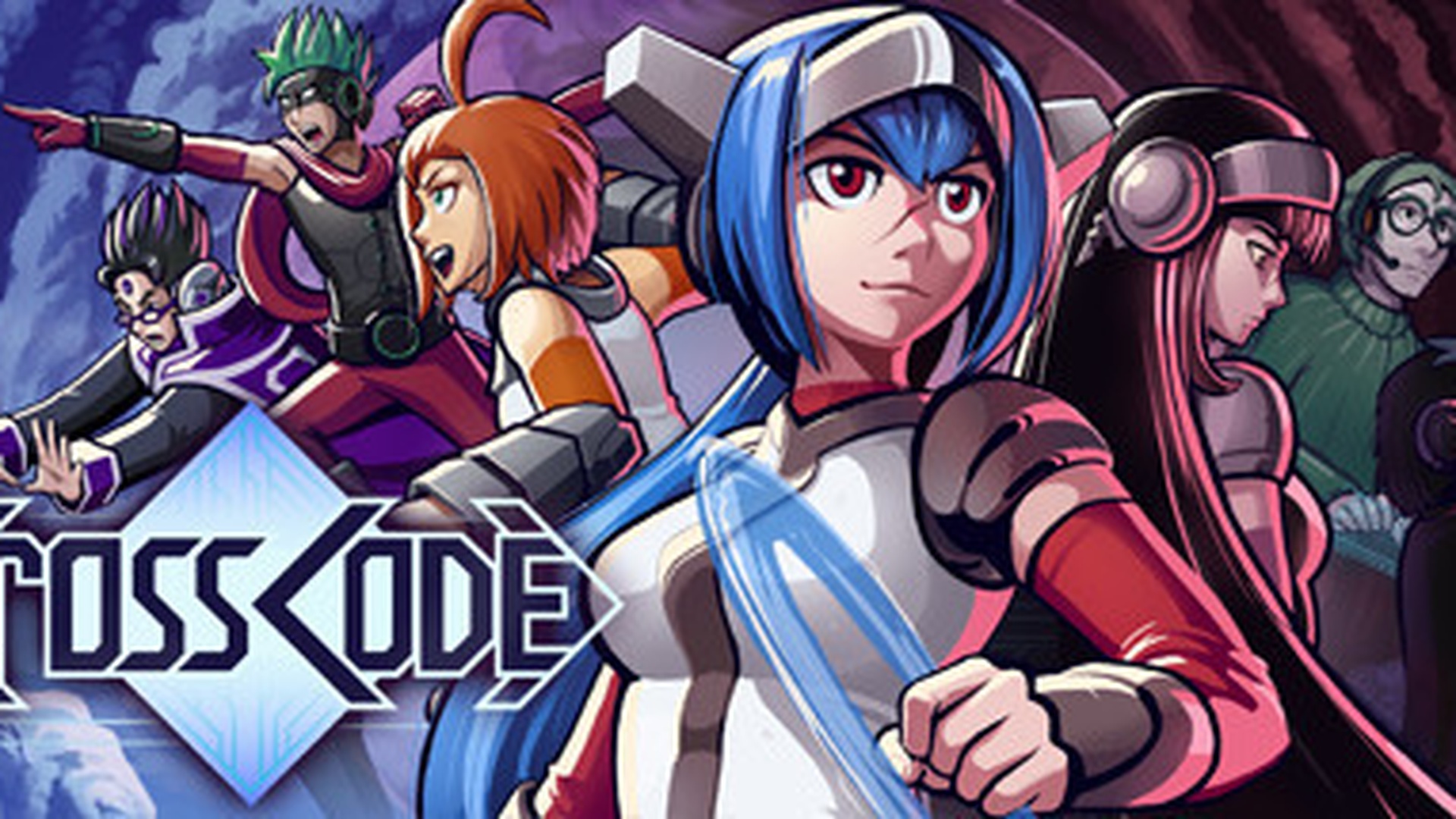
CrossCode packs roughly 60 to 80 hours of content into a package that most studios would struggle to deliver with triple the budget. The game layers a full action RPG combat system on top of Zelda-style puzzle dungeons, and both halves are demanding enough to satisfy players who want mechanical depth rather than hand-holding.
The combat revolves around four elemental trees with over 100 combat arts, and enemy design forces you to actually learn how each one works. Bosses punish button mashing hard. The puzzle design deserves special attention because the dungeons rival anything from the 2D Zelda catalog, requiring spatial reasoning and element-switching under pressure. Each temple takes one to two hours and introduces mechanics that build on everything before it.
Set inside an MMO, the story follows Lea, a mute player character navigating both the virtual world and a mystery about her own identity. The writing manages to be surprisingly emotional for a game-within-a-game premise. Side quests are plentiful and generally avoid the fetch quest trap, often containing their own multi-step storylines with meaningful rewards.
The DLC expansion “A New Home” adds another 15 to 20 hours of post-game content. For the base price plus DLC, you are looking at one of the best value propositions among pixel art games on Steam. Performance is smooth even on modest hardware, and controller support works well out of the box.
Genre: Action RPG | Monetization: Premium ($19.99) | Play it: CrossCode on Steam
If you like: Zelda: A Link to the Past, Ys VIII, and Hyper Light Drifter, then CrossCode is probably for you.
Octopath Traveler

Playing Octopath Traveler feels like opening a lost SNES cartridge that somehow runs on modern hardware. Square Enix built its HD-2D engine specifically for this game, blending 16-bit character sprites with depth-of-field effects and dynamic lighting. The result looks like what Final Fantasy VI might have become if the Super Nintendo had a few more decades of processing power behind it.
The Break and Boost combat system gives turn-based battles the kind of strategic tension that older JRPGs often lacked. Every enemy has specific weaknesses you need to exploit to break their guard, and banking Boost Points for the right moment creates satisfying risk-reward decisions on every turn. It recalls the best parts of the Bravely Default system while feeling distinctly its own.
Eight separate character stories give you freedom to explore in any order, though this structure does mean the narratives rarely intersect until late in the game. Each protagonist carries a unique Path Action that changes how you interact with NPCs across the world. Therion steals items, Primrose allures townspeople into following her, and Cyrus scrutinizes everyone for hidden information.
The soundtrack by Yasunori Nishiki channels the spirit of Nobuo Uematsu and Motoi Sakuraba without copying either. It is one of the strongest JRPG scores in years. If you grew up with the golden age of 16-bit RPGs, Octopath Traveler feels like a homecoming. Among modern pixel art games, nothing else captures that specific era quite as faithfully.
Genre: JRPG | Monetization: Premium ($59.99) | Play it: Octopath Traveler on Steam
If you like: Final Fantasy VI, Bravely Default, and Live A Live, then Octopath Traveler is probably for you.
Sea of Stars
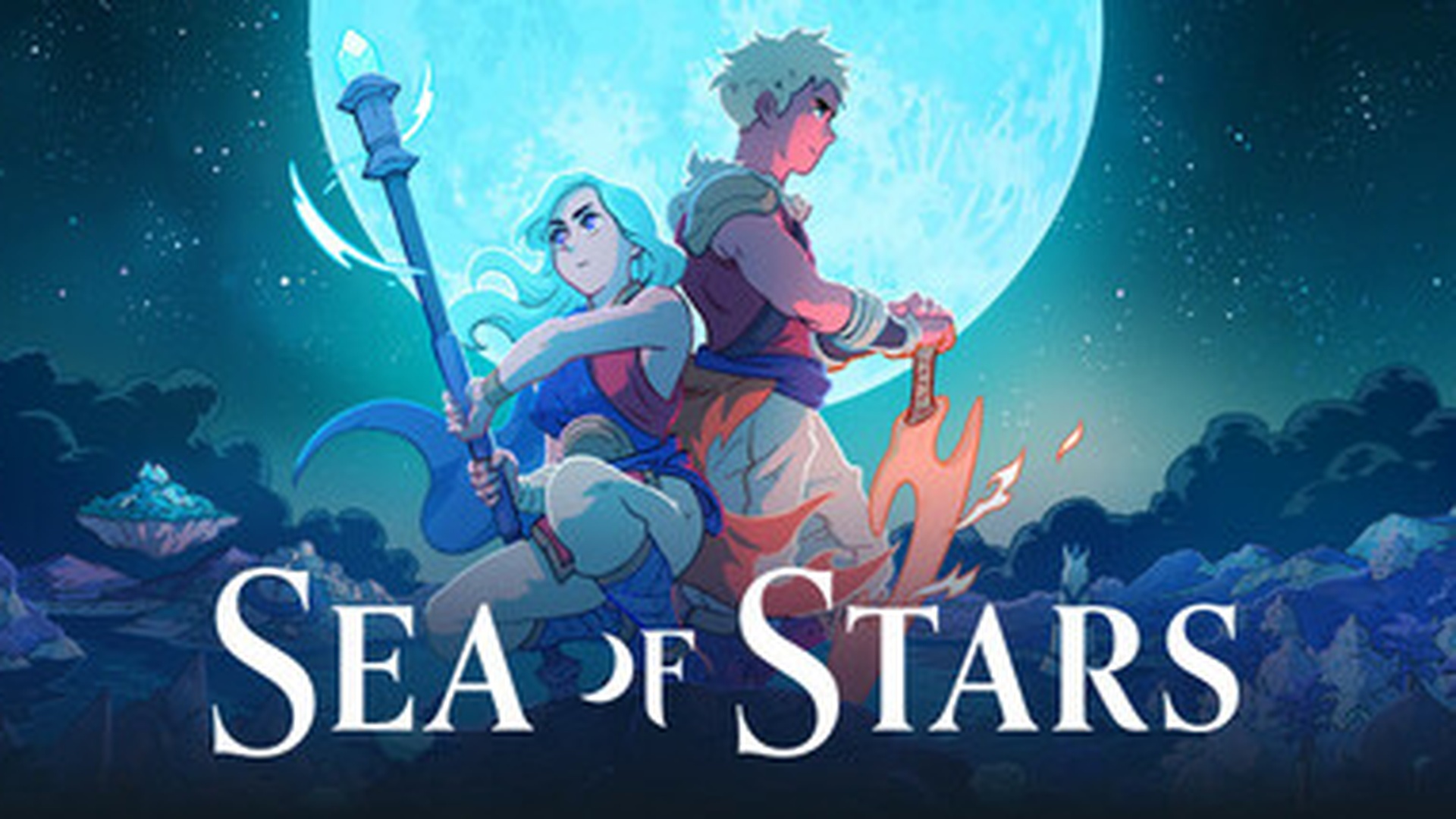
Sea of Stars arrived with enormous expectations after a wildly successful Kickstarter, and it mostly delivers on its promises. The pixel art is genuinely stunning, with lighting effects and color palettes that make every environment worth pausing to admire. Sabotage Studio clearly studied the greats, and the visual craftsmanship places this among the best-looking pixel art games released in recent years.
Combat takes the timed-hit system from Super Mario RPG and builds on it with a lock mechanic that lets you interrupt enemy spells by hitting specific damage types before their turn arrives. It works well for the first half of the game. Around the midpoint, though, encounters start feeling routine once you have optimized your party setup. The difficulty curve flattens out noticeably, and the final stretch lacks the tension that earlier boss fights establish.
The story follows two Solstice Warriors on a quest to defeat the Fleshmancer, and while the world-building is strong, character development is uneven. Valere and Zale are likable but rarely surprising. The supporting cast, particularly Garl, carries more emotional weight than the protagonists. Writing quality dips during a few mid-game chapters where pacing slows considerably.
The “Dawn of Equinox” DLC addresses some late-game concerns and adds meaningful content. At its core, Sea of Stars is a polished homage that occasionally plays things too safe. It does not quite reach the heights of its inspirations, but it comes close enough to justify the time investment. The soundtrack by Yasunori Mitsuda (of Chrono Trigger fame) is a genuine highlight throughout.
Genre: JRPG | Monetization: Premium ($34.99) | Play it: Sea of Stars on Steam
If you like: Chrono Trigger, Super Mario RPG, and Chained Echoes, then Sea of Stars is probably for you.
Eastward
Eastward is a game you play for the places it takes you. Pixpil built a post-apocalyptic world that somehow feels warm and lived-in, filled with underground villages, overgrown railways, and bustling market towns that each have their own distinct personality. Every screen is dense with environmental storytelling. Kitchen counters have half-eaten meals. Bulletin boards show hand-drawn community notices. Laundry hangs from balconies in narrow alleyways.
You control John, a silent miner, and Sam, a mysterious girl with strange powers, switching between them to solve puzzles and fight through dungeons. John swings a frying pan and tosses bombs while Sam projects energy fields that stun enemies and activate switches. The dual-character mechanic adds variety to exploration, though combat itself stays fairly straightforward throughout. This is not a game that challenges you with difficulty. It challenges you to pay attention to its world.
The cooking system deserves a mention. Recipes are collected from NPCs and shops across every town, and preparing meals in John’s kitchen triggers charming animations. Cooked food provides combat buffs, but honestly, the real reward is watching these two characters share a meal together in whatever strange corner of the world they have landed in.
Pacing can drag during the second half when dialogue-heavy sequences stretch longer than the story supports. Still, as a piece of atmospheric pixel art games storytelling, Eastward achieves something rare. It makes you want to live inside its world despite the fact that the world is falling apart.
Genre: Action Adventure RPG | Monetization: Premium ($24.99) | Play it: Eastward on Steam
If you like: Spiritfarer, Zelda: Link’s Awakening, and Mother 3, then Eastward is probably for you.
Chrono Trigger
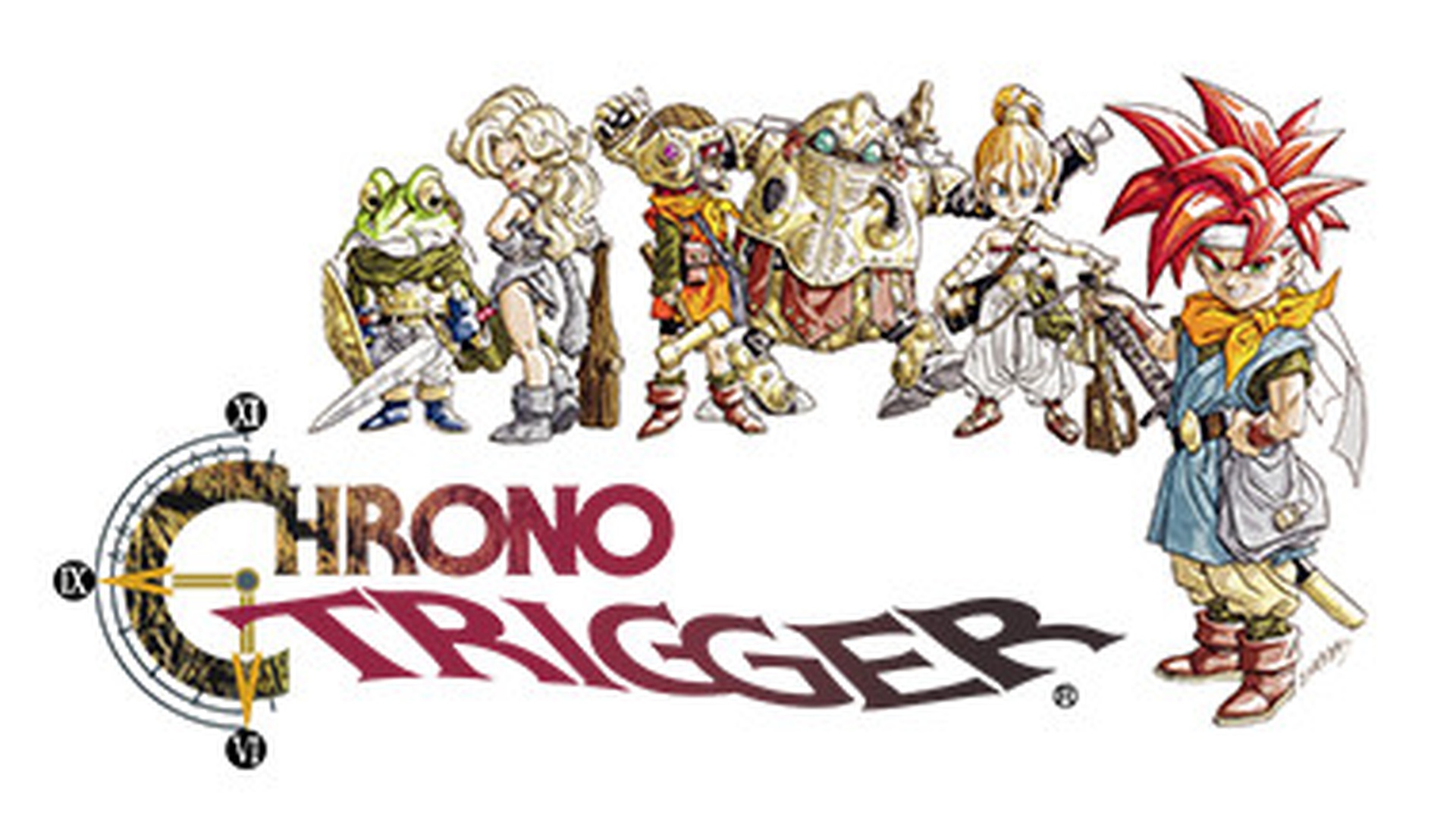
Chrono Trigger shipped in 1995 with a development team that read like an all-star roster: Hironobu Sakaguchi, Yuji Horii, and Akira Toriyama working together on a single project. Thirty years later, it still holds up better than most modern RPGs, and I have replayed it enough times to confirm that from every possible angle.
The Active Time Battle system removes random encounters entirely, placing enemies directly on the map where positioning matters. Dual and Triple Techs let party members combine abilities for devastating attacks, and the game gives you enough freedom to experiment with all seven characters without punishing you for swapping. No grinding required. The difficulty curve is one of the best-calibrated in RPG history, gradually escalating without ever wasting your time.
Thirteen different endings tied to when and how you confront Lavos give the game replay value that few RPGs have matched since. New Game Plus existed before the term was common, and Chrono Trigger used it to actually reward experienced players rather than just inflate numbers. Each era you visit, from prehistoric jungles to a ruined future, has its own complete story arc that feeds into the larger narrative without filler.
The Steam version had a rough launch with mobile-port UI issues, but patches brought it closer to the definitive experience. Yasunori Mitsuda’s soundtrack remains one of the greatest in gaming. Among all pixel art games ever made, Chrono Trigger sits at the top of the mountain. It earned that spot and has defended it for three decades.
Genre: JRPG | Monetization: Premium ($14.99) | Play it: Chrono Trigger on Steam
If you like: Final Fantasy VI, Chrono Cross, and Dragon Quest XI, then Chrono Trigger is probably for you.
Vampire Survivors

Vampire Survivors is the game you open for ten minutes and close three hours later wondering where the evening went. The entire premise sounds absurd on paper: walk around, collect gems, and watch your character automatically mow down thousands of monsters. No attack button needed. Yet somehow this formula created one of the most addictive games on Steam.
Each run lasts about 30 minutes, and during that time you pick up weapons and passive items that combine into increasingly ridiculous screen-clearing death machines. The magic garlic plus the holy bible plus a maxed-out whip turns your character into a walking apocalypse. Figuring out which item combinations unlock hidden evolutions keeps you coming back for “just one more run” long past any reasonable bedtime.
Getting started takes about 45 seconds. Pick a character, pick a stage, and go. There are no tutorials to sit through, no long cutscenes, and no complicated menus. You learn by playing, and the game constantly rewards you with new characters, stages, and weapons that shift how each run plays out. It is perfect for short sessions on a laptop or long binges on the couch.
At under $5, the value here is honestly absurd. Multiple free content updates have expanded the game well beyond its original scope, and the DLC packs add new modes and characters for just a few dollars more. Among pixel art games, Vampire Survivors proves that simple ideas executed well can compete with anything.
Genre: Roguelike / Bullet Heaven | Monetization: Premium ($4.99) | Play it: Vampire Survivors on Steam
If you like: Brotato, HoloCure, and 20 Minutes Till Dawn, then Vampire Survivors is probably for you.
Moonlighter

Going into Moonlighter without knowing much about it turned out to be the best way to experience it. The game splits your time between two activities: dungeon crawling at night and running a shop during the day. That combination sounded gimmicky at first, but within an hour the loop had its hooks in deep.
The shop management side is surprisingly engaging. You set prices for loot collected in dungeons and watch customer reactions to figure out the sweet spot. Price something too high and they walk away scowling. Hit the right number and a happy face pops up. Reinvesting profits into town upgrades unlocks new shops that sell better gear and potions, which makes the next dungeon run a little easier. The whole cycle feeds into itself naturally.
Combat in the dungeons uses a top-down action format with dodge rolls and five weapon types. Each weapon has its own attack patterns and speed, so switching between a greatsword and a bow keeps fights from feeling stale. The four main dungeons are procedurally generated with distinct themes and enemy sets. Boss fights at the end of each dungeon test your pattern recognition and gear choices.
The pixel art style is clean and colorful with smooth animations that give every action a satisfying weight. As a first experience with this kind of hybrid pixel art games design, Moonlighter made a strong impression. It does not overstay its welcome either, wrapping up in about 15 to 20 hours, which felt like the right length for what it offers.
Genre: Action RPG / Shop Sim | Monetization: Premium ($19.99) | Play it: Moonlighter on Steam
If you like: Recettear, Rogue Legacy, and Stardew Valley, then Moonlighter is probably for you.
Best Pixel Art Platformers and Metroidvanias
Tight controls, sprawling maps, and breathtaking sprite work define this category. These platformers and metroidvanias prove that pixel art games can deliver some of the most rewarding challenges in all of gaming.
Celeste
Celeste does something rare. It takes a deceptively simple concept, climbing a mountain, and turns it into one of the most emotionally resonant experiences in modern gaming. Every screen is a hand-crafted puzzle of spikes, wind currents, and crumbling platforms that demands precision without ever feeling unfair. The dash mechanic is tight and responsive, giving you exactly enough tools to survive each challenge while leaving room for creative solutions. What sets Celeste apart from other pixel art games is how it weaves its narrative about anxiety and self-doubt directly into the difficulty curve. As Madeline struggles with her inner demons, you struggle with increasingly brutal platforming sections, and both journeys feel earned when you push through.
The pixel art is gorgeous in its restraint. Character sprites are small but expressive, backgrounds shift from serene mountain vistas to surreal dreamscapes, and the color palettes signal mood changes before a single word of dialogue appears. Lena Raine’s soundtrack deserves special mention for how perfectly it matches each chapter’s emotional tone. At $19.99, you get nine main chapters plus the massive Farewell DLC, B-sides, and C-sides that will test even the most skilled players. The assist mode also means nobody gets locked out of seeing the story through. Celeste proves that difficulty and accessibility can coexist beautifully.
Genre: Precision Platformer | Monetization: Premium ($19.99) | Play it: Celeste on Steam
If you like: Super Meat Boy, TowerFall, and VVVVVV, then Celeste is probably for you.
Hollow Knight
Hollow Knight is a study in how restraint and density can coexist. Hallownest is enormous, spanning interconnected biomes that range from fungal wastes to crystal mines to a city drowned in rain. Each area introduces new enemies, environmental hazards, and subtle lore fragments that reward careful observation. The combat system starts simple with a nail slash and a heal, then branches outward through charm combinations that fundamentally alter your build. Boss fights are the real highlight. Encounters like the Mantis Lords or Nightmare King Grimm require pattern recognition, spacing discipline, and genuine skill. Losing never feels cheap because the animations telegraph attacks clearly.
Team Cherry’s art direction pairs hand-drawn character designs with atmospheric backgrounds that give Hallownest a melancholy weight few pixel art games can match. The sound design contributes enormously too. Quiet ambient tracks give way to sweeping orchestral boss themes, and the contrast makes every confrontation feel significant. For $14.99, Hollow Knight delivers 40 to 60 hours of content including four free DLC expansions. The map system forces you to find a cartographer before you can chart new areas, which some players find frustrating but others consider a strength. It keeps exploration genuinely tense. Hollow Knight respects your time by never padding its world with filler. Every corner of Hallownest serves a purpose.
Genre: Metroidvania | Monetization: Premium ($14.99) | Play it: Hollow Knight on Steam
If you like: Dark Souls, Ori and the Blind Forest, and Metroid, then Hollow Knight is probably for you.
Shovel Knight: Treasure Trove

There was a time when every kid knew the language of NES platformers. The screen flickering. The chiptune earworms. The satisfaction of bonking an enemy with a well-timed bounce. Shovel Knight captures all of that without the frustrations that made us throw controllers across the room. Yacht Club Games studied the classics carefully, pulling the pogo-stick bounce from DuckTales, the sub-weapons from Castlevania, and the world map from Super Mario Bros. 3, then stitched them into something that feels both familiar and wholly original. The shovel is a brilliant central mechanic. You dig, you slash, you bounce, and it never stops being satisfying.
What makes Treasure Trove exceptional value is the sheer volume of content. You get four complete campaigns, each starring a different knight with unique abilities, plus a fighting game mode called Showdown. Specter Knight’s wall-running and aerial dashes play nothing like Plague Knight’s chaotic bomb jumps, and King Knight’s shoulder bash combos add yet another flavor entirely. The pixel art deliberately mimics NES limitations while sneaking in modern touches like parallax scrolling and extra color depth. It is a love letter written by people who grew up on these games and understand exactly what made them special. At $39.99 for the full Treasure Trove bundle, few pixel art games offer this much variety and polish.
Genre: Action Platformer | Monetization: Premium ($39.99 Treasure Trove) | Play it: Shovel Knight: Treasure Trove on Steam
If you like: Mega Man, DuckTales, and Castlevania, then Shovel Knight: Treasure Trove is probably for you.
Blasphemous
Look, another dark action game with punishing combat and heavy religious imagery. You could dismiss Blasphemous as another entry in the “what if Castlevania met Dark Souls” pipeline, and honestly, the elevator pitch does sound tired. But here is the thing: The Game Kitchen committed so hard to their vision of grotesque Catholic guilt that Blasphemous carves out territory no other game occupies. Cvstodia is a world where penance has physical form, where bishops fuse with cathedral architecture and martyrs drag their entrails across tiled floors. The pixel art is stunningly detailed and intentionally uncomfortable, rendering gore and devotion with equal care. Every boss design tells a story about suffering and faith twisted beyond recognition.
The combat is deliberately weighty. The Penitent One swings his sword with commitment, and you need to learn enemy patterns rather than mash your way through encounters. Parrying feels excellent when you nail the timing, though hit detection can occasionally feel inconsistent during hectic fights. That is a fair criticism. The platforming sections are less consistent than the combat, with some instant-death spike pits feeling more annoying than challenging. Still, the world design pulls you forward because every new room brings another piece of disturbing pixel art that you genuinely cannot believe someone animated frame by frame. At $24.99, Blasphemous delivers roughly 15 to 20 hours of content with multiple endings. It is not the most refined metroidvania out there, but nothing else in pixel art games looks or feels quite like it.
Genre: Action Metroidvania | Monetization: Premium ($24.99) | Play it: Blasphemous on Steam
If you like: Dark Souls, Castlevania, and Salt and Sanctuary, then Blasphemous is probably for you.
Katana ZERO

Katana ZERO drops you into a neon-soaked city as a bathrobe-wearing samurai assassin who can manipulate time. Each level plays like a violent puzzle. You die in one hit, enemies die in one hit, and the entire floor needs to be cleared before the VHS-style recording plays back your flawless run. Slowing down time to deflect bullets with your katana never gets old, and the game constantly introduces new environmental tools to experiment with. Rolling through laser grids, kicking down doors onto unsuspecting guards, redirecting thrown objects mid-flight. The moment-to-moment action is some of the crispest in any side-scroller. Levels are short enough that failure never stings, and success always feels cinematic.
Where Katana ZERO truly surprises is its narrative ambition. Dialogue choices carry weight, and interrupting characters mid-sentence actually changes how conversations unfold. The story explores trauma, drug dependency, and unreliable memory through a fractured timeline that keeps you guessing until the credits roll. Between missions, quieter scenes in your apartment ground the experience and give the protagonist unexpected depth. The pixel art nails a synthwave aesthetic with moody lighting, rain-slicked streets, and detailed character animations that sell every sword swing. At $14.99, the campaign runs about five hours, which feels short until you realize how dense and replayable each level is. Among pixel art games that blend action with story, Katana ZERO punches well above its weight.
Genre: Action Platformer | Monetization: Premium ($14.99) | Play it: Katana ZERO on Steam
If you like: Hotline Miami, My Friend Pedro, and Mark of the Ninja, then Katana ZERO is probably for you.
Owlboy
D-Pad Studio spent nearly a decade building Owlboy, and that patience shows in every lovingly placed pixel. Otus is a mute owl who can fly freely through sprawling sky islands, carrying allies who serve as his weapons. This buddy system is the game’s defining hook. Geddy provides a rapid-fire blaster, Alphonse brings a shotgun spread, and a spider companion offers web-based grappling. Switching between them mid-flight creates a rhythm that feels natural once it clicks. The story follows Otus as he tries to prove himself in a world that constantly underestimates him, and the emotional beats land harder than you would expect from a game about cartoon owls.
The pixel art is genuinely breathtaking. Floating ruins catch golden light, underground caverns glow with bioluminescence, and character portraits convey complex emotions through remarkably few pixels. Every environment tells a story through background details, crumbling architecture, and the way clouds drift between platforms. The soundtrack matches this visual ambition with orchestral arrangements that shift between adventurous and melancholic. At $24.99, Owlboy runs about eight to ten hours and does not overstay its welcome. The difficulty is moderate, leaning more toward exploration and narrative than punishing combat. Some players may find the boss encounters underwhelming compared to the journey between them. But as a complete experience, few pixel art games deliver this level of visual storytelling and heart. Owlboy is proof that craftsmanship and patience can produce something genuinely special.
Genre: Action Adventure Platformer | Monetization: Premium ($24.99) | Play it: Owlboy on Steam
If you like: Cave Story, Iconoclasts, and The Legend of Zelda: The Minish Cap, then Owlboy is probably for you.
The Messenger
The Messenger starts as a straightforward ninja platformer and then pulls the rug out from under you halfway through. That twist is genuinely delightful, and saying too much would spoil the fun. What you need to know is that Sabotage Studio built a game that feels fantastic to play from the very first jump. The cloudstep mechanic lets you perform an extra jump after slashing anything mid-air, including projectiles, lanterns, and enemies. Chaining cloudsteps through obstacle courses creates a flow state that few platformers achieve. Movement is fast, responsive, and endlessly satisfying. The shopkeeper character delivers some of the funniest dialogue in recent gaming history, turning what could be routine upgrade purchases into comedy routines you actually look forward to.
Visually, The Messenger pulls off a trick that ties directly into its gameplay structure. The 8-bit and 16-bit art styles both look great, with the latter adding parallax layers, richer color palettes, and more detailed animations. The chiptune soundtrack by Rainbowdragoneyes is absurdly catchy, with each track getting a remixed version that matches the visual shift. At $19.99, you get a solid 10 to 15 hours depending on how thoroughly you explore. The second half’s backtracking can feel padded compared to the tight linear design of the opening, and that pacing dip is the game’s biggest weakness. But the core movement is so good that revisiting areas still feels fun rather than tedious. For anyone new to pixel art games in this genre, The Messenger is an easy recommendation.
Genre: Action Platformer / Metroidvania | Monetization: Premium ($19.99) | Play it: The Messenger on Steam
If you like: Ninja Gaiden, Shovel Knight, and Sonic Mania, then The Messenger is probably for you.
Axiom Verge

Tom Happ built Axiom Verge alone. The art, the code, the music, the design, all one person. That fact alone demands respect, but the game earns its place on merit rather than novelty. This is a metroidvania steeped in the DNA of Super Metroid, and veterans of that era will immediately recognize the structure. You wake up in an alien world, acquire weapons and traversal upgrades, and gradually open up a sprawling interconnected map. What separates Axiom Verge from a mere tribute is its glitch mechanics. The Address Disruptor lets you corrupt enemies and environments, turning hazards into platforms and transforming enemy behavior. It is a clever twist that creates puzzle-solving opportunities unique to this game.
The weapon variety is staggering. Over twenty guns range from practical spread shots to bizarre experimental tools that fire through walls or create short-range electrical fields. Finding a new weapon always brings that satisfying moment of testing it against every obstacle you remember passing. The pixel art leans heavily into biomechanical aesthetics with pulsing organic textures and alien architecture that feels genuinely otherworldly. Happ’s soundtrack complements the visuals with glitchy electronic tracks that reinforce the corrupted-reality theme throughout. At $19.99, Axiom Verge offers 10 to 15 hours of exploration with enough secrets to justify a second playthrough. The difficulty curve is fair, though some late-game bosses demand patience and pattern memorization. For anyone who grew up on 16-bit exploration games and wants that feeling recaptured faithfully, this is one of the finest pixel art games in the metroidvania tradition.
Genre: Metroidvania | Monetization: Premium ($19.99) | Play it: Axiom Verge on Steam
If you like: Super Metroid, Contra, and Mega Man X, then Axiom Verge is probably for you.
Cave Story+
If you have never played Cave Story, you are about to discover why so many indie developers cite it as the game that inspired them to start making their own. Daisuke “Pixel” Amaya created the original Cave Story entirely by himself over five years, releasing it as freeware in 2004. Cave Story+ is the enhanced commercial version with remastered graphics, new music options, and additional challenge modes. You play as Quote, a robot who wakes up in a cave system inhabited by rabbit-like creatures called Mimigas. The story starts small and slowly reveals stakes that grow genuinely moving. Multiple endings tied to specific in-game choices give you reasons to replay, and the true ending path requires careful decision-making that the game never spells out for you.
The weapon system is beautifully simple. Collecting experience triangles from defeated enemies levels up your current weapon, but taking damage knocks it back down. This creates a natural risk-reward loop where skilled play is constantly rewarded with increased firepower. Platforming and shooting feel tight and responsive, with each new area introducing enemy types that force you to adapt your loadout. The pixel art in Cave Story+ offers both the original chunky sprites and a remastered look, letting you switch between them freely. At $14.99, this is an essential piece of gaming history and one of the most important pixel art games ever made. It proved that a single person with a clear vision could create something that stands alongside the work of entire studios. Twenty years later, it still plays wonderfully.
Genre: Action Platformer / Metroidvania | Monetization: Premium ($14.99) | Play it: Cave Story+ on Steam
If you like: Metroid, Mega Man, and Undertale, then Cave Story+ is probably for you.
Best Pixel Art Games: Roguelikes and Roguelites
Roguelikes thrive on repetition, and pixel art gives each death and rebirth a distinct visual punch. These games blend punishing difficulty with gorgeous sprite work, making every failed run feel like a lesson wrapped in beauty.
Dead Cells
Dead Cells grabbed me by the throat during its Early Access days and never let go. Motion Twin built something that feels impossibly tight, where every dodge roll, every parry, every split-second weapon swap carries real weight. The combat system rewards aggression in a way that few pixel art games manage, pushing you forward through procedurally generated biomes at breakneck speed.
What keeps me coming back after hundreds of hours is the sheer variety of viable builds. You might tear through the Promenade of the Condemned with a pair of electric whips one run, then switch to a careful shield-and-broadsword approach the next. The mutation system layers on top of this, letting you customize your playstyle in meaningful ways that compound over the course of a run. Every weapon feels distinct, and the developers kept adding more through years of free updates and DLC.
The pixel art here deserves special attention. Animations are fluid and detailed in ways that feel handcrafted, with particle effects and lighting that push the style into modern territory. Backgrounds shift from grimy dungeons to lush overgrown ruins, each biome carrying its own visual personality. Enemy designs range from shambling zombies to towering elite monsters, all readable at a glance during frantic combat.
The progression system walks a fine line between permanent upgrades and run-based tension. You unlock new weapons and abilities over time, expanding your arsenal without trivializing the challenge. Boss fights remain brutal checkpoints that demand mastery, and higher difficulty levels (called Boss Cells) transform familiar levels into gauntlets that will test even experienced players.
Genre: Action Roguelike | Monetization: Premium + DLC | Play it: Dead Cells on Steam
If you like: Castlevania, Metroid, Hollow Knight, then Dead Cells is probably for you.
Noita
Noita operates on a premise so ambitious it borders on absurd: every single pixel in the game world is physically simulated. Pour water on lava and it cools into rock. Set oil on fire and watch flames spread across entire caverns. Kick a flask of acid into a pool and observe as it eats through the terrain below. The physics simulation creates emergent chaos that no scripted encounter could replicate.
The wand-building system sits at the heart of what makes Noita extraordinary. You collect spell modifiers and projectile types, then arrange them on wands using a logic system that functions like a small programming language. Understanding the order of operations, multicast mechanics, and trigger spells separates someone stumbling through the mines from someone launching screen-clearing chain reactions. The learning curve is vertical, but the payoff is enormous.
Among pixel art games with roguelike elements, Noita stands apart through its destructible environments. Digging through walls, flooding chambers, and reshaping the landscape are not optional tricks but core survival strategies. The world reacts to your actions with consistent physical rules, which means creative solutions emerge naturally. You learn to read the environment as both a weapon and a threat.
The difficulty is unforgiving by design. Early runs end in seconds. The game conceals enormous secrets beneath its surface, with hidden areas, alternative paths, and lore discoveries that take hundreds of hours to fully uncover. Noita rewards patience and experimentation above all else, offering a depth of systems interaction that remains unmatched in the roguelike space.
Genre: Action Roguelike / Physics Sandbox | Monetization: Premium | Play it: Noita on Steam
If you like: Terraria, Powder Toy, Spelunky, then Noita is probably for you.
Enter the Gungeon
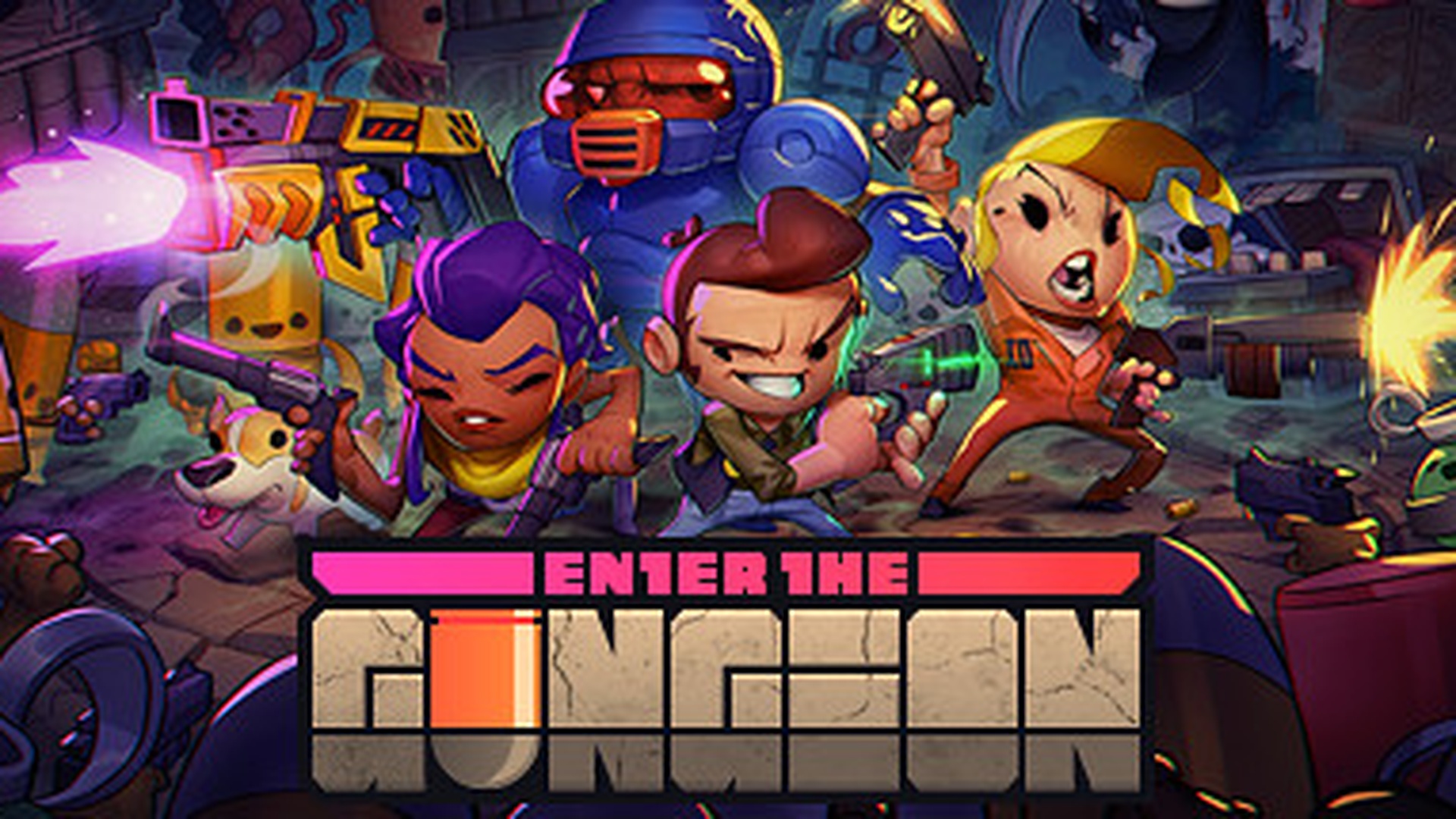
There was a time when bullet hell games felt like they belonged exclusively to Japanese arcades, locked behind quarter-eating cabinets and CRT monitors. Enter the Gungeon brought that energy into the roguelike space with so much charm that it felt like reuniting with an old friend. The premise alone tells you everything: a dungeon made entirely of guns, filled with gun-themed enemies, where you fight bullet-shaped creatures using increasingly ridiculous firearms.
Dodge rolling through curtains of projectiles never gets old. The controls are tight enough that every hit feels earned by the game and every death feels earned by you. Clearing a room without taking damage triggers a satisfying reward, encouraging that “one more try” mentality that defined the arcade era. The table-flip mechanic, where you literally kick over tables for cover, adds a tactical layer that keeps firefights dynamic.
The gun variety borders on absessive. You might find a weapon that shoots actual bees, a mailbox launcher, or a gun that fires other smaller guns. Each one is animated with loving pixel art detail and accompanied by punchy sound effects. This kind of creative absurdity recalls the golden age of gaming when developers prioritized fun over focus-tested design. Among pixel art games in the roguelike genre, few match this level of personality.
Co-op support makes Gungeon even better. Tearing through chambers with a friend transforms the experience into something collaborative and chaotic, doubling the bullet patterns on screen while halving the frustration of tough rooms.
Genre: Bullet Hell Roguelike | Monetization: Premium | Play it: Enter the Gungeon on Steam
If you like: The Binding of Isaac, Cuphead, Nuclear Throne, then Enter the Gungeon is probably for you.
Hades
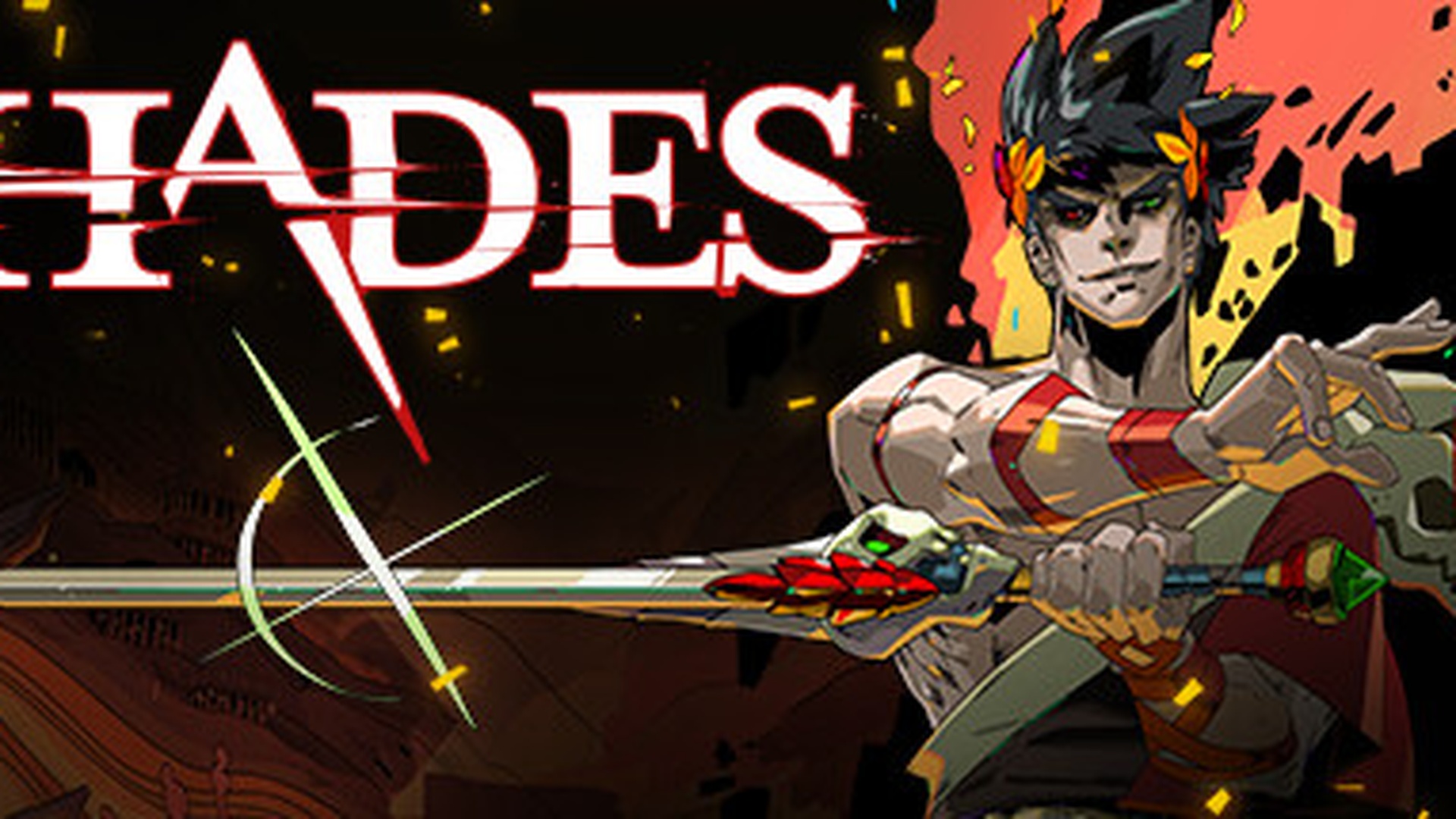
Supergiant Games solved a problem that had plagued roguelikes for years: how do you tell a meaningful story when the player dies and restarts constantly? Their answer was elegant. Zagreus, prince of the Underworld, is trying to escape his father’s domain. Death sends him back to the House of Hades, where relationships evolve, conversations shift, and the narrative advances regardless of whether you succeed or fail.
Every character in this game feels alive. Megaera guards the first major checkpoint with a complicated history tethered to Zagreus. Dionysus offers boons with the easy warmth of someone handing you a drink at a party. Athena speaks with measured authority. The voice acting is exceptional across the board, and the writing gives each Olympian god a personality that makes choosing their boons feel like picking which friend to hang out with.
Combat flows with a rhythm that makes every weapon feel fundamentally different. The Stygian Blade rewards close-range aggression. The Heart-Seeking Bow demands spacing and timing. The Shield of Chaos lets you play defensively or offensively depending on your build. Boon combinations from the Olympian gods create synergies that transform your approach mid-run, and discovering a powerful interaction between two gods never stops being thrilling.
The art direction blends detailed sprite work with painterly backgrounds, placing Hades firmly among the most visually striking pixel art games in recent memory. Tartarus glows with green fire. Elysium gleams with golden light. Each region carries distinct atmosphere that complements the narrative journey from darkness toward the surface.
Genre: Action Roguelike | Monetization: Premium | Play it: Hades on Steam
If you like: Bastion, Transistor, Greek mythology, then Hades is probably for you.
Rogue Legacy 2
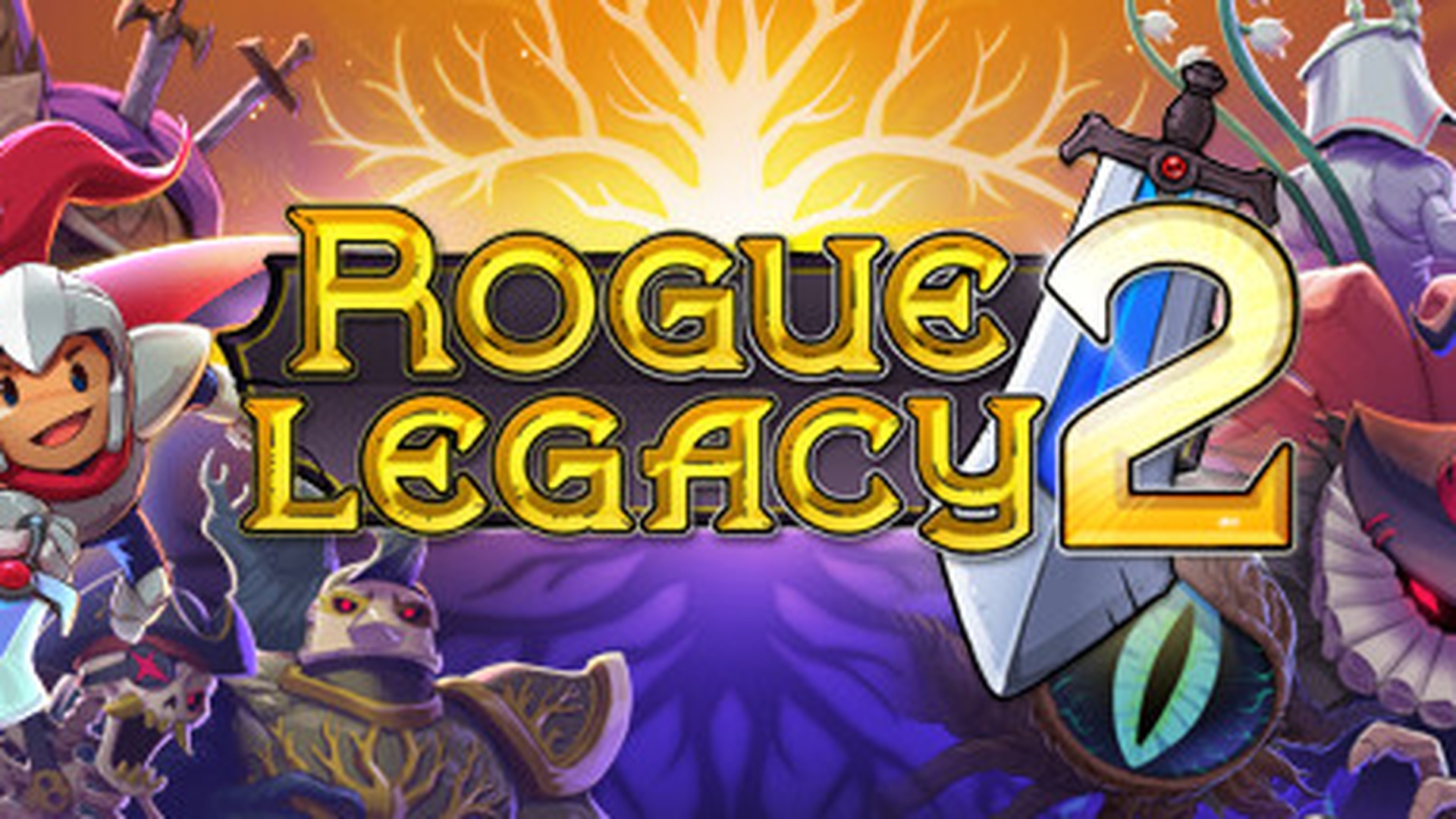
Rogue Legacy 2 takes the stress out of permadeath by turning it into a family affair. When you die, you pick a new heir from a lineup of randomly generated descendants, each with their own class, traits, and quirks. One might be a giant barbarian who can barely fit through doorways. Another could be a tiny ranger with vertigo who sees the entire world flipped upside down. These traits range from purely cosmetic to genuinely game-changing, and rolling through the options before each run adds a fun layer of decision-making.
The castle evolves as you play. Gold earned during runs gets spent on permanent upgrades, new classes, and equipment that carry over between generations. This means even a terrible run still contributes to your long-term progress. You are always moving forward, always getting a little stronger, and that sense of momentum keeps the experience from ever feeling punishing. For newcomers to roguelikes, this is one of the friendliest entry points available.
Visually, Rogue Legacy 2 upgraded from the original’s simple sprites to a hand-drawn style that still honors its pixel art games roots. Environments are colorful and varied, with biomes that shift from haunted libraries to sun-drenched towers. Boss designs are creative and memorable, with attack patterns that teach you through repetition rather than frustration.
The class system provides the real depth. Each class plays differently enough that switching from a Valkyrie to a Chef to a Bard feels like playing three separate games. Mastery comes from understanding which classes suit which situations, and the game gives you plenty of room to experiment.
Genre: Roguelite Platformer | Monetization: Premium | Play it: Rogue Legacy 2 on Steam
If you like: Castlevania, Dead Cells, Hades, then Rogue Legacy 2 is probably for you.
Nuclear Throne
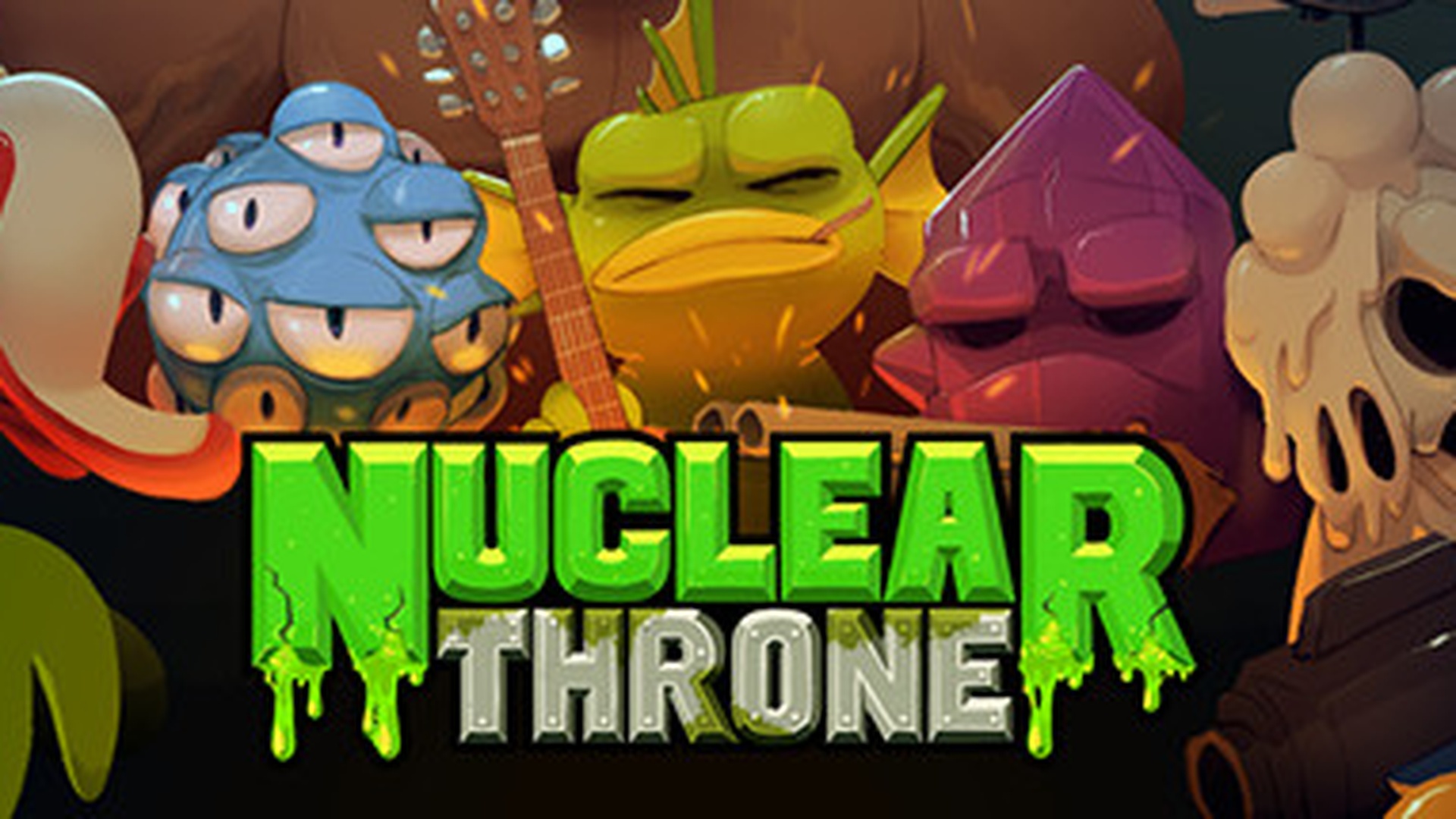
Nuclear Throne strips the roguelike formula down to its most primal form and dares you to keep up. Developed by Vlambeer, masters of the “game feel” philosophy, every shot fired in this game carries satisfying impact. Screen shake, muzzle flash, and explosive particle effects turn even basic pistol rounds into visceral feedback loops. The game understands that shooting things should feel incredible before anything else matters.
Runs are fast. Most last under ten minutes, win or lose. The desert wastelands, frozen cities, and irradiated sewers blur past as you chainsaw through mutant enemies at alarming speed. There is no time for careful planning here. Reflexes and pattern recognition determine survival, and the leaderboard competition becomes addictive once you start chasing higher scores and faster clears.
Character selection adds strategic variety without overcomplicating things. Crystal can shield through attacks. Eyes can pull enemies and projectiles toward specific points. Chicken literally refuses to die for a few seconds after taking lethal damage. Each mutant plays differently enough to warrant dedicated practice, and tournament-level play demands fluency with multiple characters.
The mutation system offers meaningful choices between levels, granting perks like extra ammo drops, explosive corpses, or health regeneration on kills. Building the right mutation loadout for your current weapon set separates average runs from throne-reaching ones. Among pixel art games focused on competitive roguelike play, Nuclear Throne remains the gold standard for raw mechanical intensity.
Genre: Top-Down Shooter Roguelike | Monetization: Premium | Play it: Nuclear Throne on Steam
If you like: Hotline Miami, Enter the Gungeon, Vlambeer games, then Nuclear Throne is probably for you.
Spelunky 2
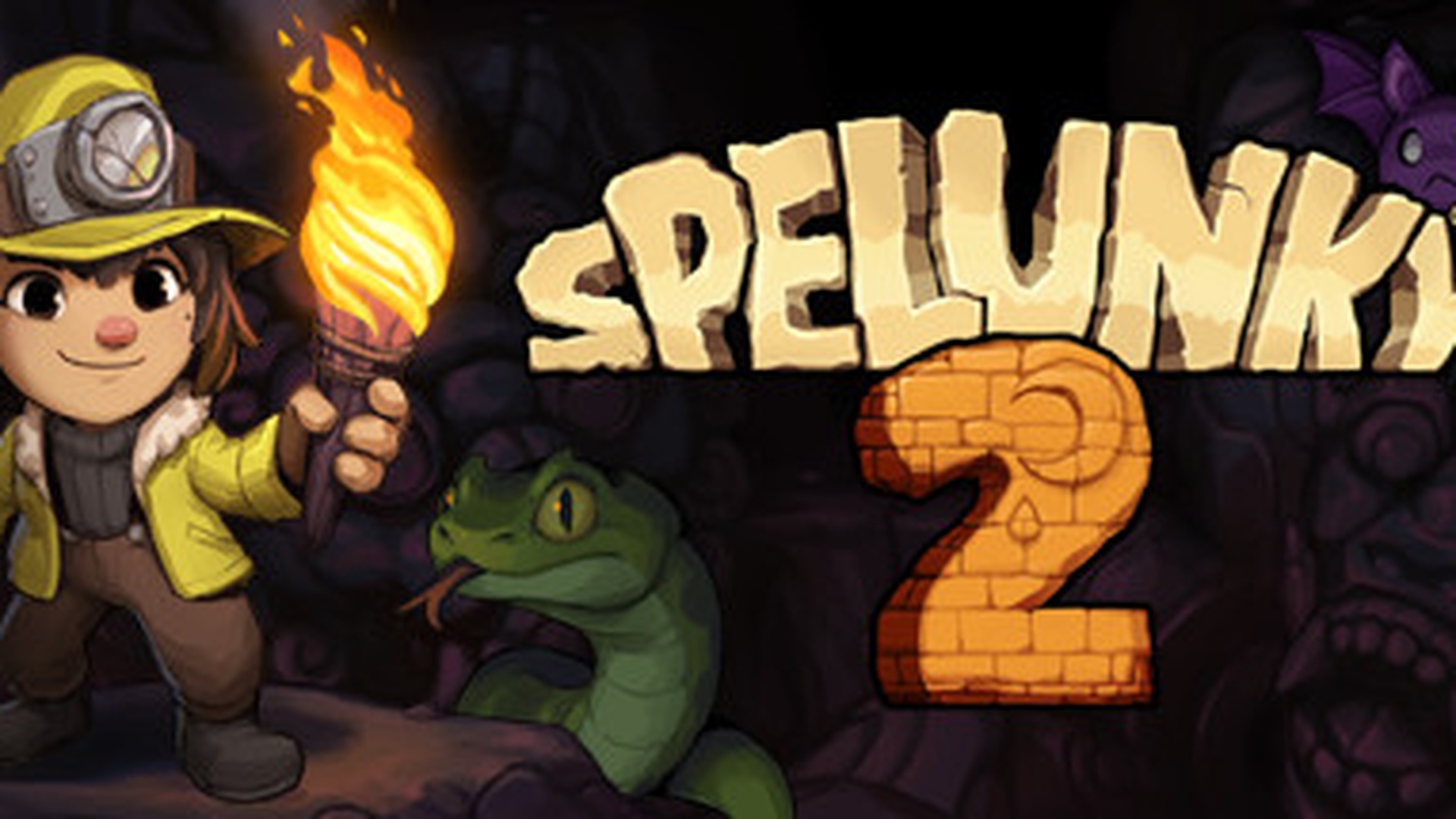
Spelunky 2 is not interested in holding your hand, and that is precisely what makes it exceptional. Derek Yu’s sequel expands on the original’s formula with more biomes, more interactions, and more ways to die in spectacular fashion. Every object in the game follows consistent rules. Arrows trigger from traps when you walk past. Shopkeepers remember if you stole from them. Turkeys can be tamed and ridden. Understanding these interlocking systems is what separates a novice from someone who can reach the Cosmic Ocean.
Thousands of hours across both Spelunky games have taught me that true mastery here is about reading situations, not memorizing layouts. The procedural generation creates fresh challenges every attempt, but the underlying logic stays constant. A veteran player sees a dark level and immediately adjusts their strategy. They know which enemies carry torches, which items produce light, and how to navigate safely when visibility drops to nothing.
The visual presentation balances clarity with personality. Character sprites are expressive and readable at small sizes, which matters during the split-second decisions this game demands. Environmental details like dripping water, crumbling blocks, and flickering torchlight add atmosphere without creating visual noise. As one of the most refined pixel art games ever made, Spelunky 2 proves that readable design and aesthetic beauty are not opposing goals.
Multiplayer and daily challenge modes extend the lifespan considerably. Competing against friends for the best daily run score turns Spelunky 2 into an ongoing ritual, and the online play adds welcome chaos to an already unpredictable formula.
Genre: Platformer Roguelike | Monetization: Premium | Play it: Spelunky 2 on Steam
If you like: Spelunky Classic, La-Mulana, roguelike platformers, then Spelunky 2 is probably for you.
Best Pixel Art Farming and Life Sim Games
Farming sims and life simulators are some of the most beloved pixel art games on Steam. These titles trade high-octane action for cozy routines, meaningful relationships, and the quiet satisfaction of building something from nothing.
Stardew Valley
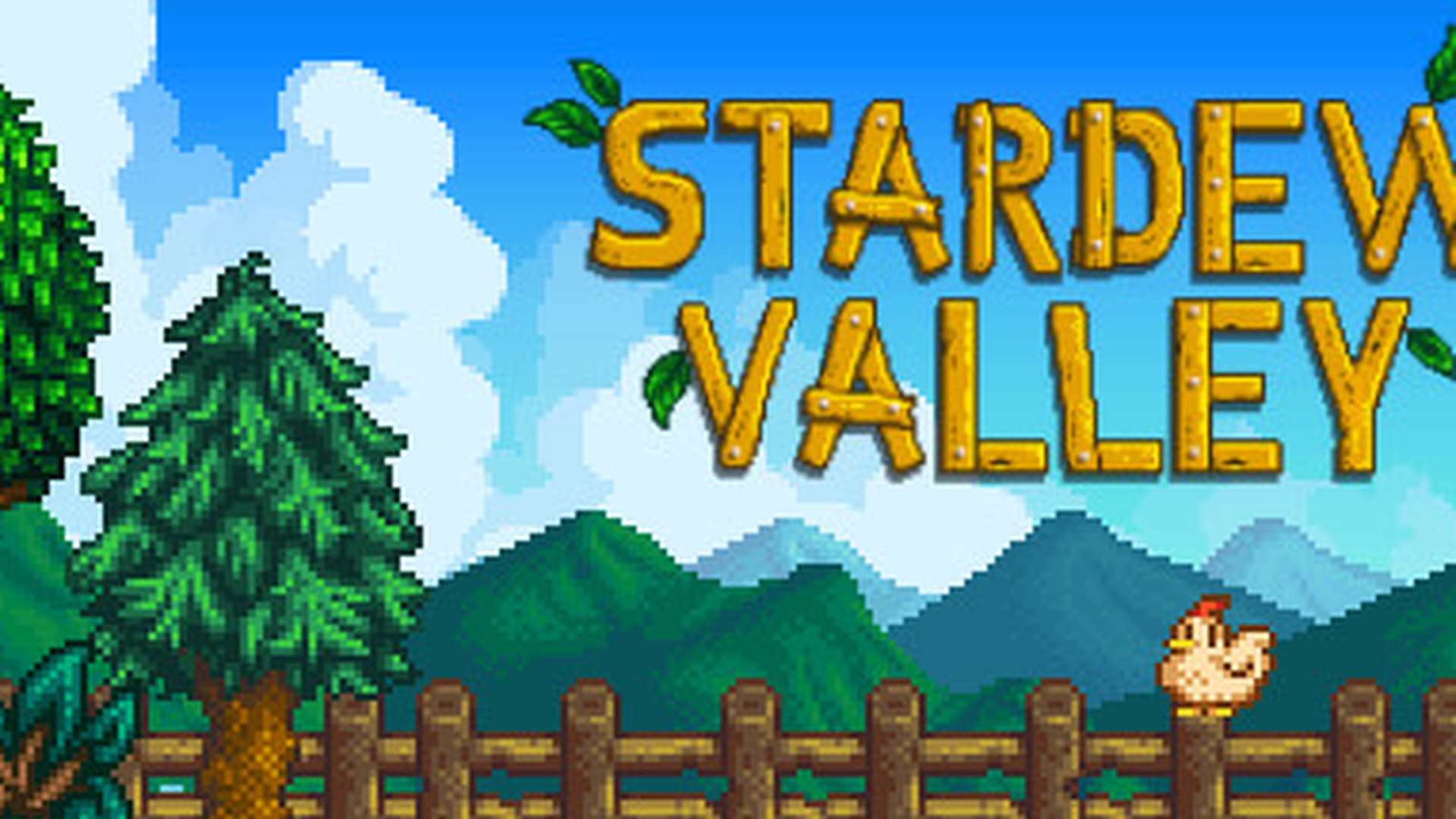
Stardew Valley does not need much introduction. Eric Barone built this game entirely by himself over four years, and it has since sold over 30 million copies worldwide. That number alone tells you something, but the real magic is in the daily loop. You wake up, water your crops, check on your animals, maybe head down to the mines, then spend the evening chatting up the townspeople. Every day feels productive without ever feeling rushed.
The 1.6 update added new farm types, festivals, and over a hundred new items, which is remarkable for a game that already felt complete years ago. The pixel art is warm and inviting, with seasonal palette shifts that genuinely change the mood of your farm. Spring greens give way to autumn oranges, and winter blankets everything in quiet white. The sprite work is clean enough to read at a glance but detailed enough to reward close attention.
What keeps people playing for hundreds of hours is the relationship system. Each villager has a unique schedule, personality, and backstory that unfolds over multiple in-game seasons. Some of these storylines deal with surprisingly heavy topics. The writing treats its characters with genuine care, which makes the village feel lived-in rather than decorative. Among pixel art games, Stardew Valley remains the gold standard for cozy gaming.
Genre: Farming Sim, RPG | Monetization: Premium ($14.99, no microtransactions) | Play it: Stardew Valley on Steam
If you like: Harvest Moon, Animal Crossing, and Moonlighter, then Stardew Valley is probably for you.
Graveyard Keeper
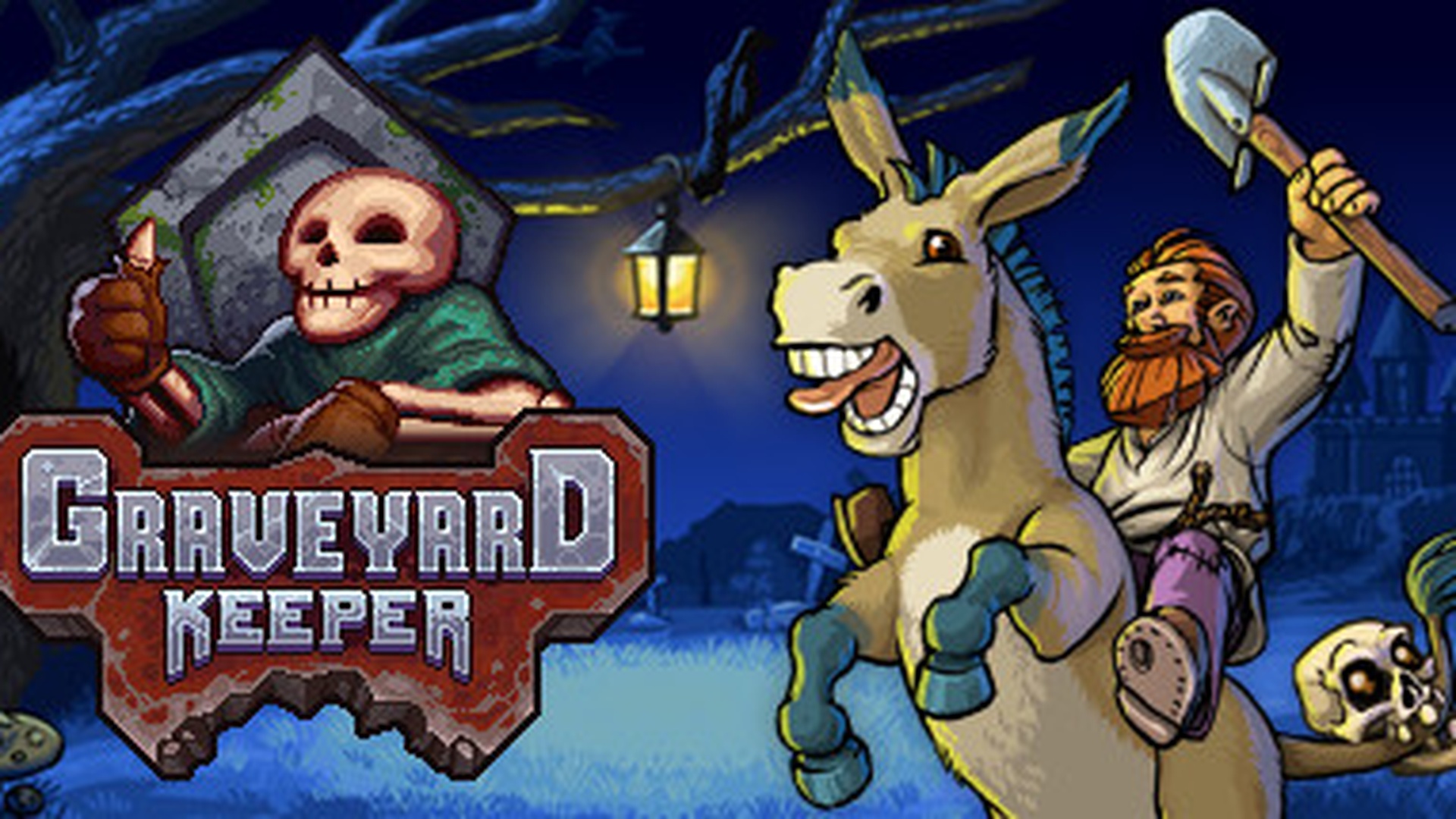
Graveyard Keeper takes the farming sim formula and drops it into a medieval graveyard, which is either brilliant or deeply unsettling depending on your sensibilities. You manage a cemetery, perform autopsies on corpses, brew potions, and occasionally engage in morally questionable business dealings with the local townsfolk. The game leans into its dark humor without ever becoming mean-spirited about it.
The crafting tree is enormous. There are multiple interconnected skill systems spanning alchemy, farming, smithing, church management, and body disposal. That last one sounds grim, but the game treats it with the same matter-of-fact attitude as planting turnips. The pixel art walks a careful line between cute and creepy, with chunky sprites set against detailed gothic backgrounds. Character portraits have personality, and the environments shift convincingly between eerie forests and cozy interior spaces.
The criticism worth mentioning is the grind. Midgame progression slows down considerably, and some resource chains feel deliberately padded. But if you enjoy optimization puzzles and the slow satisfaction of unlocking new systems, there is a lot here to chew on. The DLC expansions add zombies, tavern management, and a full storyline that rounds out the base game nicely.
Genre: Management Sim, RPG | Monetization: Premium ($19.99, optional DLC) | Play it: Graveyard Keeper on Steam
If you like: Stardew Valley, Moonlighter, and Don’t Starve, then Graveyard Keeper is probably for you.
https://www.youtube.com/watch?v=vvMCs6EMC9c
Littlewood
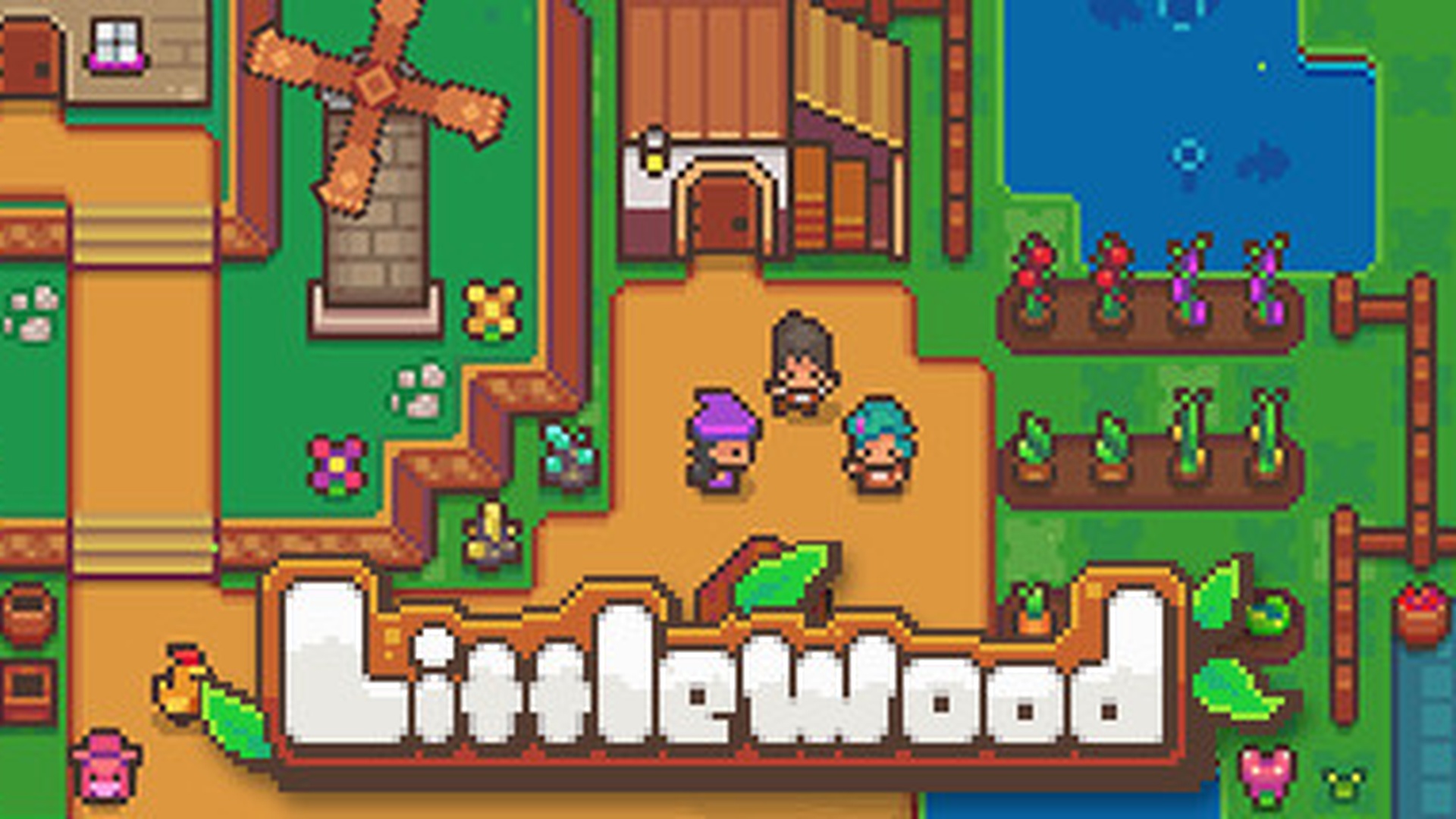
Littlewood starts where most RPGs end. You just saved the world, but nobody remembers it, including you. Now you need to rebuild your town, make friends with the locals, and piece together what happened. It is a clever premise that turns the typical hero’s journey into a post-adventure life sim, and it works surprisingly well.
The daily structure is relaxed without being aimless. You gather resources, arrange buildings, farm, fish, mine, and manage relationships. Every action costs stamina, so each day involves making choices about how to spend your limited energy. The pixel art is charming in a minimalist way. Character sprites are small but expressive, and the town visuals update dynamically as you place and rearrange buildings.
What makes Littlewood stand out from other pixel art games in this genre is its respect for your time. Sessions can be as short as twenty minutes and still feel productive. The game does not punish you for playing casually, and progression comes at a steady, satisfying pace. If you want something gentle that still gives you goals to chase, Littlewood fills that space perfectly.
Genre: Town Builder, Life Sim | Monetization: Premium ($14.99) | Play it: Littlewood on Steam
If you like: Stardew Valley, Animal Crossing, and Fantasy Life, then Littlewood is probably for you.
https://www.youtube.com/watch?v=owSGfNvRWEo
Coral Island

Coral Island reimagines the farming sim through a tropical lens, and the result is one of the most visually lush games in the genre. The island itself feels like a character. Coral reefs shimmer beneath the water, jungle paths wind through dense vegetation, and the town square fills with life as you progress through the seasons. The art direction is gorgeous, blending pixel-style character sprites with richly painted environments.
Beyond standard farming, Coral Island adds underwater exploration as a major gameplay pillar. You dive to restore damaged coral reefs, clean up ocean pollution, and discover marine wildlife. This environmental angle gives the game a thematic purpose that goes beyond personal profit. The diving mechanics are simple but satisfying, and watching the reef ecosystem recover over time adds a layer of meaning to your efforts.
The town has over 60 NPCs, each with unique schedules and relationship arcs. Romance options are diverse and well-written. The crafting and farming systems are deep enough to keep optimization-minded players busy, while the story provides direction for anyone who prefers guided goals. Regular updates continue to add content, keeping the island feeling fresh.
Genre: Farming Sim, Life Sim | Monetization: Premium ($29.99) | Play it: Coral Island on Steam
If you like: Stardew Valley, Harvest Moon, and Spiritfarer, then Coral Island is probably for you.
https://www.youtube.com/watch?v=JAaINWNJlGM
Spiritfarer
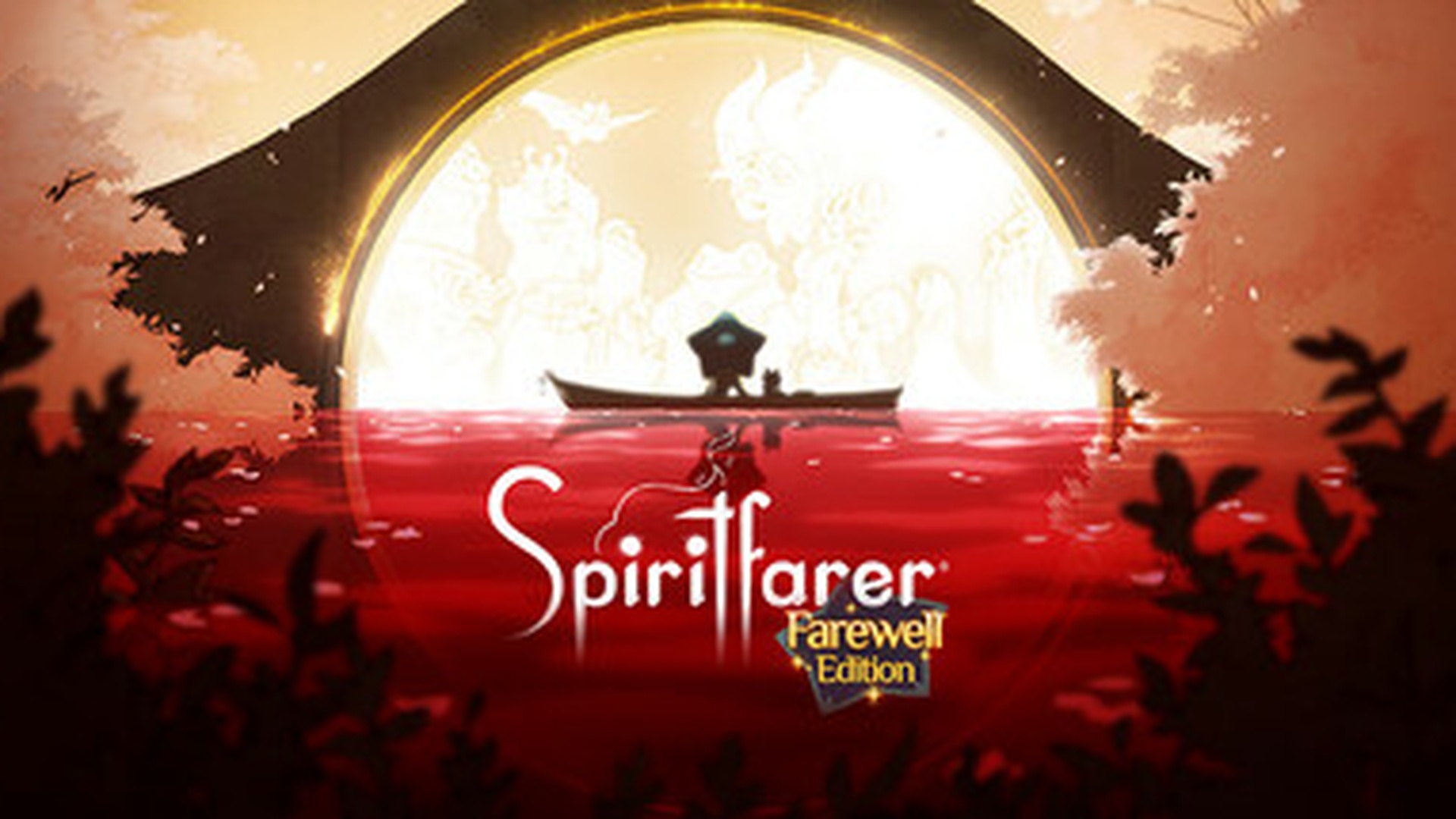
Spiritfarer asks you to build a boat for the dead, and somehow turns that premise into one of the warmest games you will ever play. You take on the role of Stella, a young woman who ferries spirits to the afterlife. Each spirit is a fully realized character with personal history, specific food preferences, and emotional baggage that unfolds through conversations and quests. When the time comes to say goodbye, it hits hard. Multiple spirits made me set the controller down and just sit with the moment.
The gameplay loop combines platforming, crafting, cooking, farming, and resource management aboard your ever-expanding ship. You sail between islands, gather materials, cook meals for your passengers, and build new facilities. The management layer is engaging without being stressful. Thunder Lotus designed every system to feel purposeful rather than grindy.
The hand-drawn animation style is technically not pixel art in the traditional sense, but its 2D sprite work and side-scrolling exploration earn it a place among the best pixel art games on Steam. The visual quality is extraordinary. Character animations are fluid and full of personality. Environments range from sun-drenched fishing villages to aurora-lit Arctic waters. Spiritfarer is a game about loss, but it handles the subject with such grace that you walk away feeling grateful rather than sad.
Genre: Management Sim, Narrative Adventure | Monetization: Premium ($29.99, Farewell Edition includes all DLC) | Play it: Spiritfarer on Steam
If you like: Stardew Valley, Celeste, and Gris, then Spiritfarer is probably for you.
https://www.youtube.com/watch?v=Xu4JHmrJsxQ
Best Pixel Art Sandbox and Survival Games
Sandbox games thrive on player creativity, and pixel art gives builders a visual language that is both nostalgic and infinitely flexible. These titles offer hundreds of hours of exploration, construction, and emergent storytelling.
Terraria
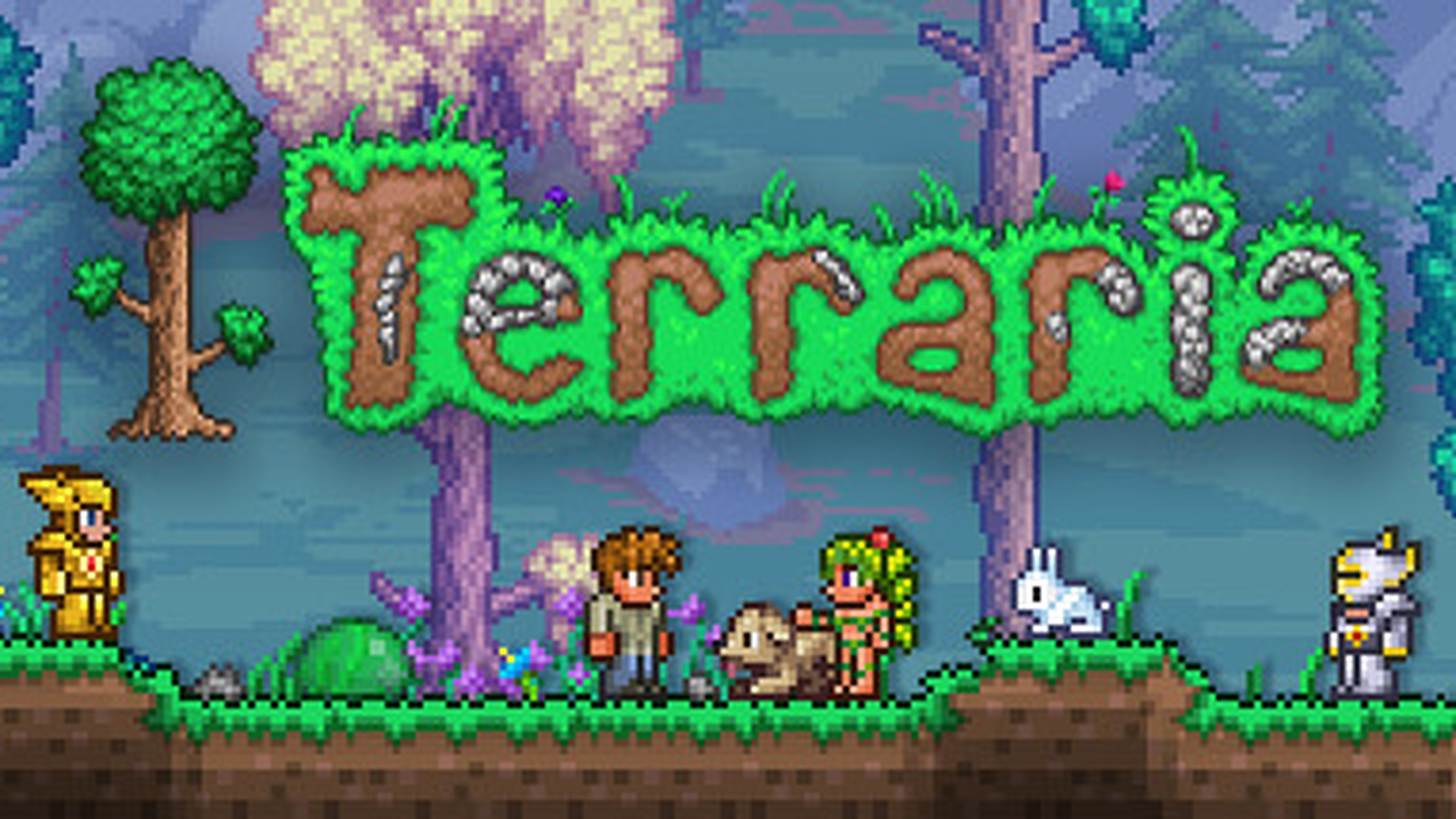
Terraria is one of those rare games that keeps pulling you back in, no matter how many hundreds of hours you’ve already sunk into it. Re-Logic built something that looks simple on the surface but hides an absurd amount of depth beneath its colorful pixel art exterior. You start by punching trees and digging dirt, and before long you’re dodging screen-filling boss attacks while wielding weapons that shoot rainbow cats.
What sets Terraria apart from other sandbox survival games is the sheer volume of content packed into every corner of its procedurally generated worlds. Over a decade of free updates have added thousands of items, dozens of bosses, multiple biomes, and entire progression systems that would rival full-priced sequels. The pixel art style ages beautifully, with each new update adding more visual personality to an already gorgeous game.
The combat evolution is what truly hooks you. Early game feels like a careful survival experience, but by the time you reach Hardmode, it transforms into a bullet-hell action RPG with deep build customization. Whether you prefer melee, ranged, magic, or summoner playstyles, there is a full endgame path waiting for you.
Genre: Sandbox, Action-Adventure, Survival
Monetization: Premium (buy once, play forever, all updates free)
Play it on: PC, PlayStation, Xbox, Nintendo Switch, Mobile
If you like: Minecraft, Starbound, Core Keeper
Starbound
Starbound takes the sandbox formula and launches it into the stars. Developed by Chucklefish, this pixel art adventure gives you an entire universe of procedurally generated planets to explore, each with its own biomes, creatures, and resources. The sense of discovery never quite fades, because there is always another planet with a strange new ecosystem waiting just one warp jump away.
The game shines brightest when you stop rushing through the main storyline and start treating each planet like its own little adventure. Building a base on a volcanic world, farming alien crops on a lush forest planet, or excavating ancient ruins for rare tech blueprints all feel rewarding in different ways. The pixel art is vibrant and detailed, with each species and environment carrying a distinct visual identity that makes the galaxy feel genuinely diverse.
Where Starbound distinguishes itself from Terraria is in its emphasis on exploration over combat progression. The story quests guide you through increasingly dangerous sectors of space, but the real joy comes from charting your own course. Modding support extends the experience even further, with community-created species, weapons, and entire planet types adding hundreds more hours of content.
Genre: Sandbox, Exploration, Action-Adventure
Monetization: Premium (one-time purchase)
Play it on: PC, Mac, Linux
If you like: Terraria, No Man’s Sky, Stardew Valley
Core Keeper
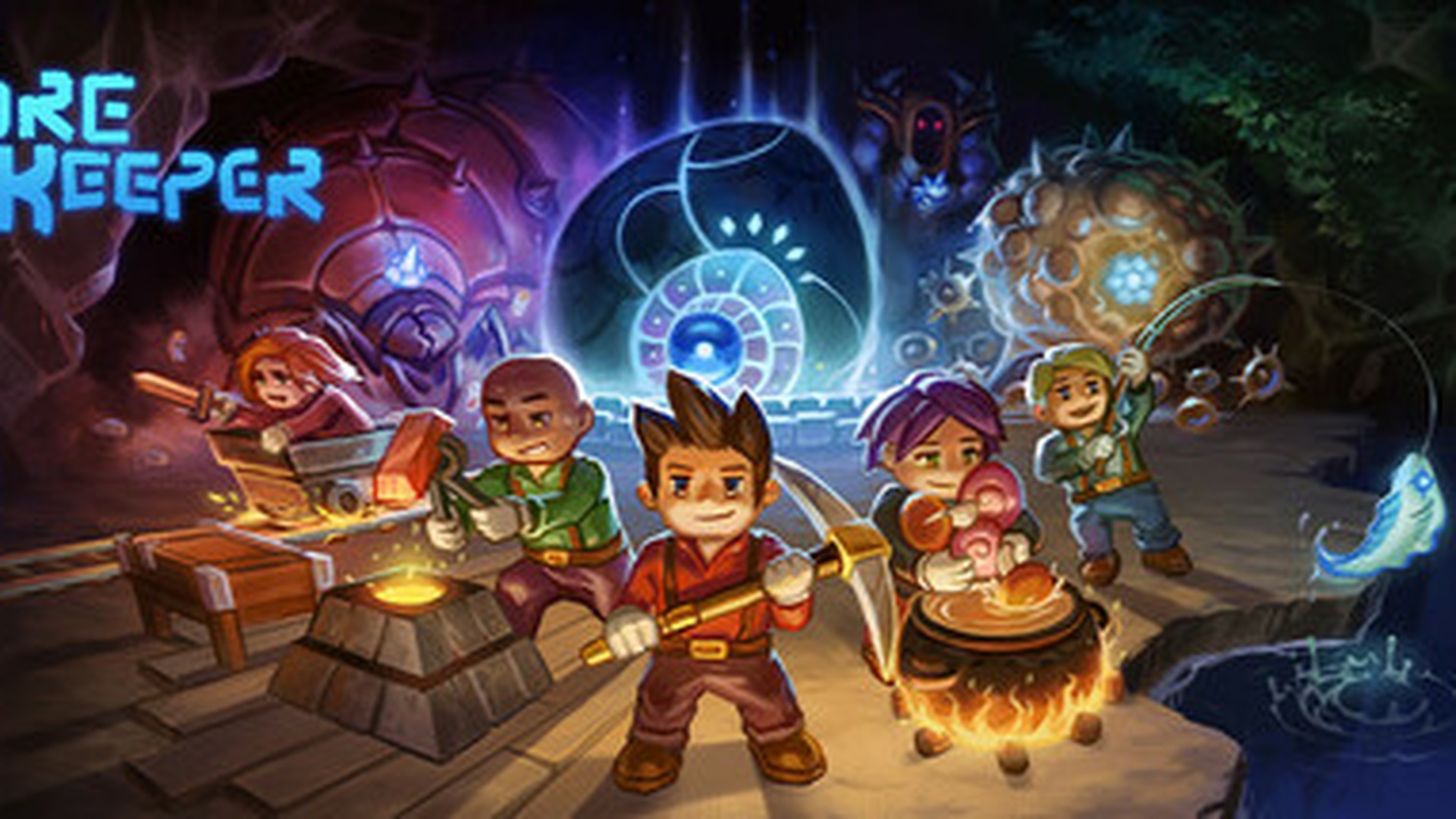
Core Keeper drops you into a mysterious underground cavern and tells you to figure it out. Developed by Pugstorm, this top-down sandbox blends mining, crafting, farming, and boss combat into one incredibly satisfying loop. The pixel art style uses warm lighting effects and detailed sprite work to make subterranean exploration feel cozy rather than claustrophobic, which is a genuine achievement for a game set entirely underground.
The progression system is expertly paced. Each biome you uncover introduces new materials, enemies, and crafting recipes that feed directly into your ability to reach the next area. Boss fights serve as meaningful checkpoints that test your gear and skill, and the rewards always feel worth the effort. Cooking and farming add surprising depth, with food buffs becoming essential for tackling harder content.
Multiplayer is where Core Keeper truly comes alive. Up to eight players can share a world, dividing tasks between mining, building, farming, and fighting. The cooperative gameplay feels natural, and watching a shared base grow from a humble campfire into a sprawling underground settlement is immensely satisfying. Regular content updates continue to expand the cavern with new biomes and challenges.
Genre: Sandbox, Survival, Mining RPG
Monetization: Premium (base game plus optional DLC)
Play it on: PC, PlayStation, Xbox, Nintendo Switch
If you like: Terraria, Stardew Valley, Grounded
Dwarf Fortress
Dwarf Fortress is the most ambitious simulation ever made, and its Steam release finally gave it the pixel art tileset it deserved. Bay 12 Games spent over twenty years building a world generator so detailed that it simulates individual fingers on dwarves, tracks the emotional states of each citizen, and generates histories spanning thousands of years before you even start playing. The new pixel art graphics by Kitfox Games transform what was once an ASCII maze into a readable, charming visual experience.
The fortress mode is where most players spend their time, and it delivers an experience no other game can match. You direct a group of dwarves to carve out a mountain home, managing everything from food production and military training to emotional well-being and artistic expression. Stories emerge organically from the simulation: a dwarf might go on a creative frenzy, craft a legendary artifact, then spiral into depression when their favorite cat dies. These unscripted narratives are what make every fortress unique.
The learning curve is steep, and that is worth acknowledging. But the Steam version’s improved interface and tutorial make the first few hours dramatically more approachable than the classic version ever was. Once the systems click, you realize that the depth here is unmatched in gaming. Every failed fortress teaches you something new, and every successful one generates stories worth retelling.
Genre: Colony Simulation, Sandbox, Roguelike
Monetization: Premium (one-time purchase; classic version still free)
Play it on: PC, Mac, Linux
If you like: RimWorld, Oxygen Not Included, Caves of Qud
Best Pixel Art Horror and Dark Games
The best horror pixel art games use their limited resolution as a strength, hiding threats in shadows and letting your imagination fill in the gaps. These three titles deliver atmosphere, tension, and unforgettable visual design.
Hyper Light Drifter
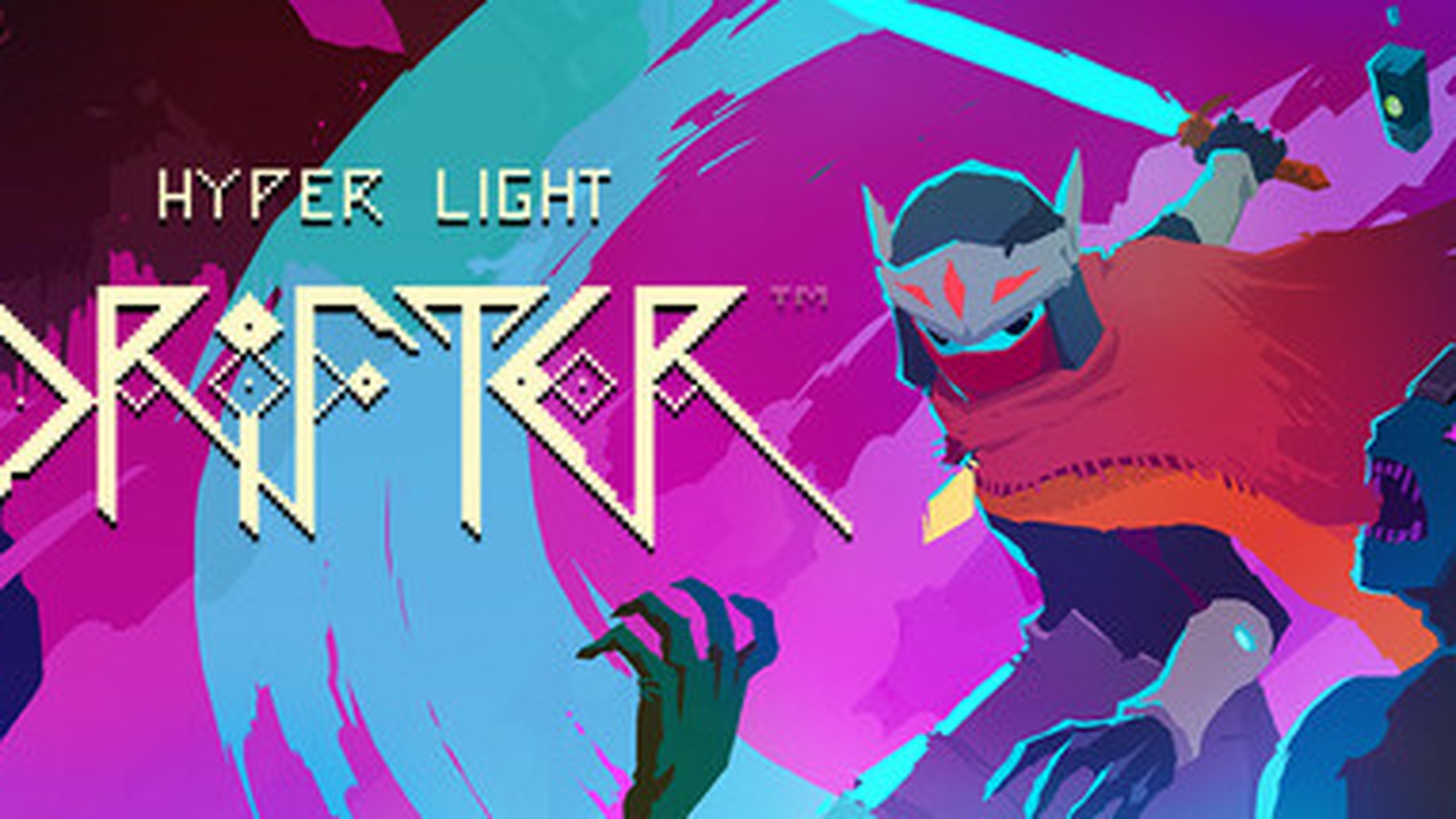
Hyper Light Drifter drops you into a forgotten world with no dialogue, no quest markers, and no hand-holding. You play as a nameless drifter suffering from a mysterious illness, wandering through the ruins of an advanced civilization now overtaken by nature and corrupted machines. The game tells its story entirely through visuals, and it works because every single frame carries meaning.
The combat is fast and punishing. You have a sword, a handful of guns, and a dash that doubles as your primary survival tool. Enemies hit hard, bosses hit harder, and the game expects you to learn patterns through failure. There is no difficulty slider. You either adapt or you restart the room. The controls feel tight enough that every death lands squarely on your shoulders, which is exactly what makes victory satisfying.
What sets Hyper Light Drifter apart from other pixel art games is its atmosphere. The color palette shifts between serene blues and violent reds, matching the tension between exploration and combat. Hidden paths reward curiosity. Secret areas contain fragments of lore that piece together the world’s history without a single word of text. The soundtrack by Disasterpeace layers synth melodies over ambient noise, creating a mood that sits somewhere between melancholy and dread.
This is a game built for players who want to discover rather than be told. If you enjoy getting lost in a world that trusts you to figure things out, Hyper Light Drifter delivers that experience with precision and style.
Genre: Action RPG
Monetization: Premium (one-time purchase)
Play it on: Steam
If you like: Dead Cells, Transistor, Furi, then this game is probably for you.
Hotline Miami

Hotline Miami is a top-down murder puzzle disguised as an action game. Each floor is a problem. Enemies patrol in fixed routes, weapons are scattered across rooms, and you die in a single hit. The solution requires memorizing layouts, timing door swings, and chaining kills with the kind of precision that turns chaos into choreography. When a floor finally clicks, it plays out like a perfectly rehearsed sequence of controlled violence.
The pixel art style here is not decorative. The neon-soaked color schemes, the static-laced transitions, and the pools of color left behind after combat all serve a purpose. They create a hallucinatory atmosphere that makes you question what is real within the narrative. The visuals pulse and distort, matching the protagonist’s deteriorating grip on reality. It is ugly on purpose, and that ugliness becomes part of the game’s identity.
The soundtrack does most of the heavy lifting for mood. Tracks by Perturbator, Jasper Byrne, and M|O|O|N drive the intensity with thumping synthwave that keeps your adrenaline spiked through every attempt. Failing a floor twenty times in a row never feels tedious because the music and the instant respawn keep you locked into a flow state. The game understands that frustration and satisfaction are separated by fractions of a second.
Hotline Miami respects your time by refusing to waste it. No cutscene interruptions, no loading screens, no cooldown periods. Just you, the mask, and the next room full of people who need to stop breathing. Few pixel art games have matched this level of raw intensity.
Genre: Top-Down Action
Monetization: Premium (one-time purchase)
Play it on: Steam
If you like: Katana ZERO, RUINER, Neon White, then this game is probably for you.
Darkest Dungeon
Darkest Dungeon does something most RPGs avoid: it makes your party feel genuinely fragile. Heroes develop phobias, refuse to eat, lash out at allies, and occasionally drop dead from heart attacks mid-combat. Stress is tracked alongside health, and managing psychological damage becomes just as critical as keeping HP above zero. This is not a game where you build an invincible team. This is a game where you manage inevitable decline.
The turn-based combat system is built on positioning. Each hero occupies one of four ranks, and their available abilities change depending on where they stand. Enemies shuffle your formation, push your healer to the front line, or pull your tank to the back. Adapting to these disruptions on the fly separates successful runs from total party wipes. Every dungeon crawl carries real stakes because dead heroes stay dead, and replacing them means training fresh recruits from scratch.
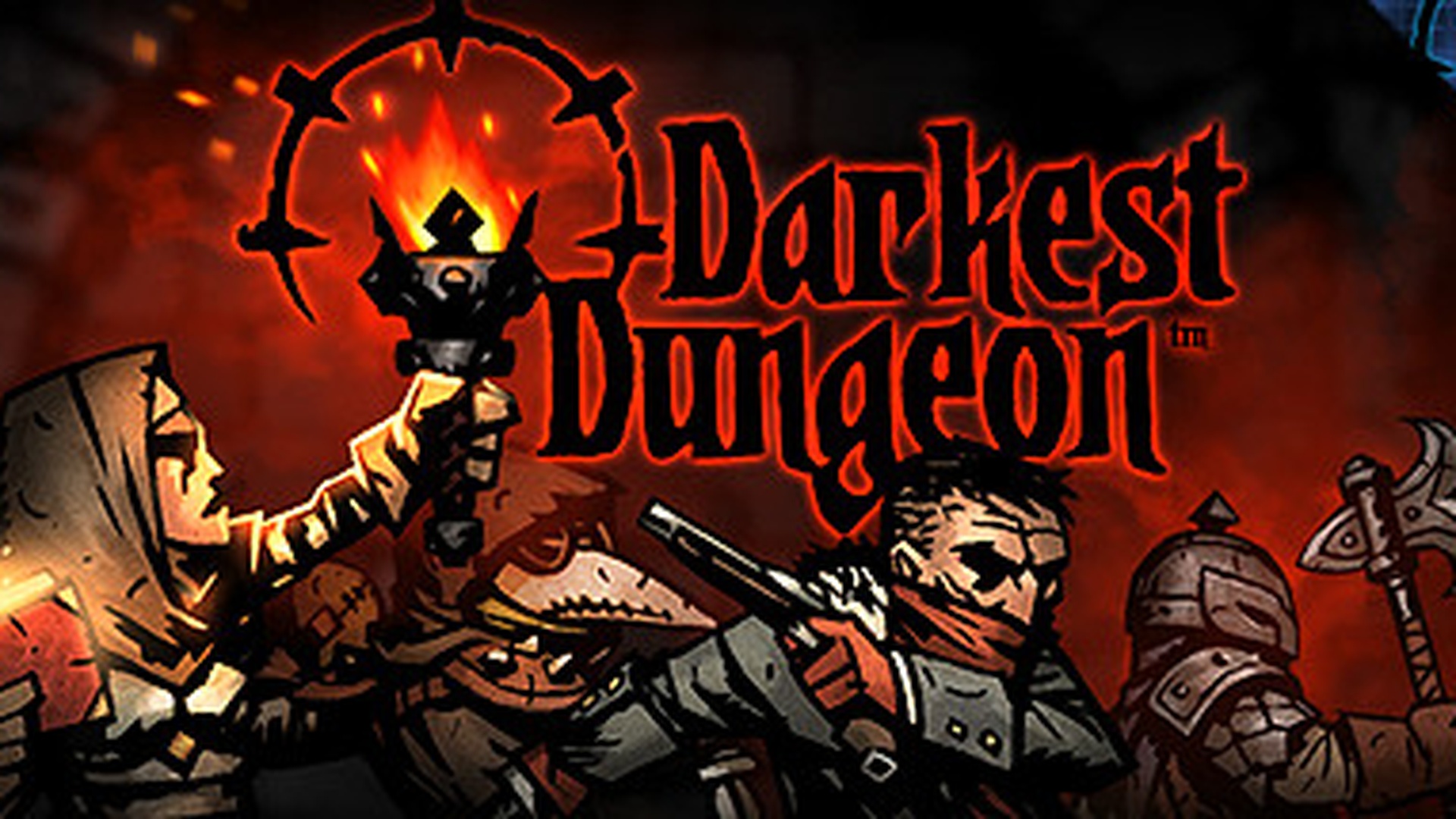
The art direction borrows from Mike Mignola’s comic book style, with heavy ink lines and dramatic lighting that gives every character and creature a sense of weight. Animations are minimal but expressive. A hero’s idle stance shifts when stress climbs. Critical hits land with exaggerated impact frames. The narrator, voiced by Wayne June, delivers lines that have become iconic in the gaming community. His commentary turns routine encounters into dramatic moments.
Veteran players will appreciate how Darkest Dungeon punishes complacency. Overconfidence is described by the game itself as a slow and insidious killer, and hundreds of hours in, that warning still rings true. Among pixel art games with horror elements, nothing else captures the feeling of creeping dread quite like this.
Genre: Roguelike RPG
Monetization: Premium (one-time purchase + DLC)
Play it on: Steam
If you like: Slay the Spire, Battle Brothers, Iratus: Lord of the Dead, then this game is probably for you.
Best Pixel Art Action and Adventure Games
These pixel art games deliver pure adrenaline. From frantic platforming to chaotic co-op shooters, the action genre proves that 2D sprites can deliver more thrills than any photorealistic blockbuster.
Pizza Tower
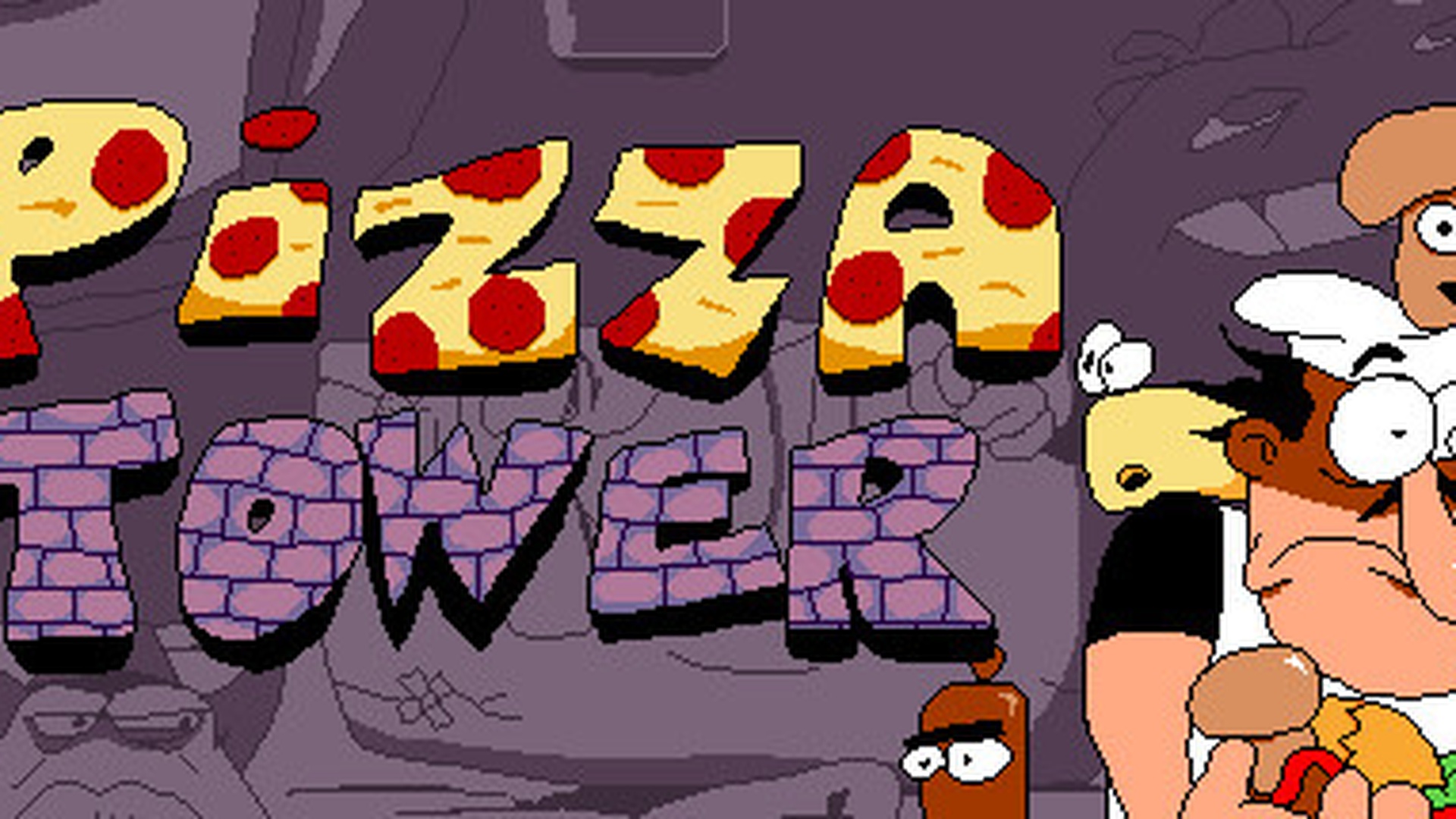
Pizza Tower is the most energetic game on this list, and possibly the most energetic game released in the last decade. You play as Peppino, a stressed-out pizza chef who runs, grabs, slams, and suplex-launches enemies through increasingly absurd levels. The Wario Land inspiration is obvious, but Pizza Tower cranks everything to a volume those games never attempted. Every screen is a blur of hand-drawn animation frames, squash-and-stretch character poses, and visual gags that fly by faster than you can process them.
The level design rewards speed and exploration equally. Each stage hides collectibles that require detours, but the ranking system pushes you to maintain momentum. The escape sequences that close each level are pure chaos. Walls crumble, floors collapse, and the music shifts into overdrive as you sprint back to the entrance against a ticking timer. It feels incredible every single time.
Pizza Tower holds a 98% positive rating on Steam, making it one of the highest-rated pixel art games on the platform. That score is earned. The animation quality alone would justify attention, but the tight controls and creative level gimmicks elevate it into something genuinely special. The soundtrack by Mr. Sauceman is relentlessly catchy and perfectly matched to the on-screen mayhem.
Genre: Platformer, Action | Monetization: Premium ($19.99) | Play it: Pizza Tower on Steam
If you like: Wario Land 4, Celeste, and Sonic Mania, then Pizza Tower is probably for you.
https://www.youtube.com/watch?v=IqjPFqBOFDk
Broforce
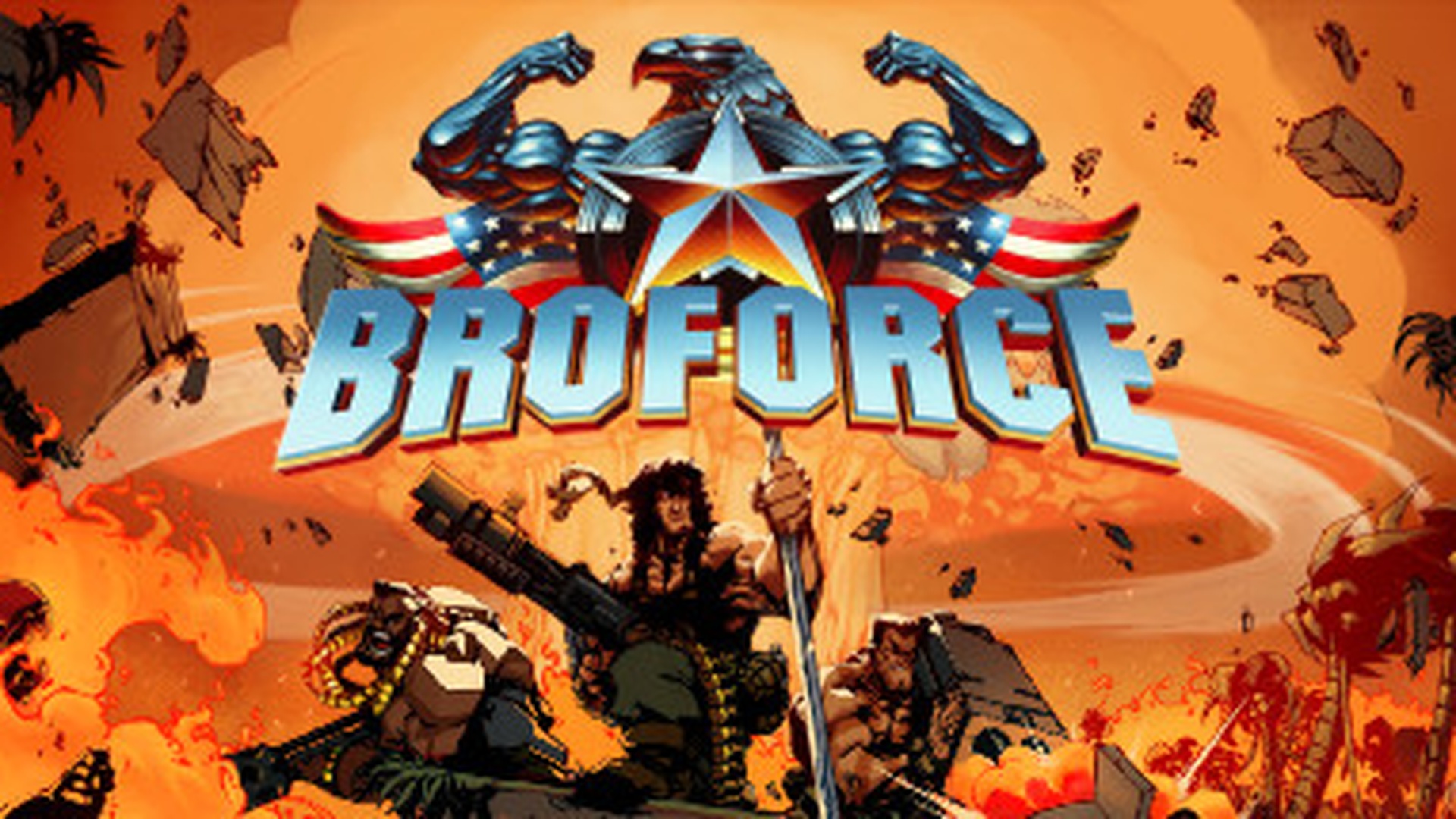
Broforce is a love letter to 80s and 90s action movies, filtered through destructible pixel environments and co-op chaos. Every playable character is a parody of a classic action hero. Rambro, Brobocop, the Brominator, Ellen Ripbro. Each one has a unique weapon and special ability, and you unlock them by rescuing POWs scattered throughout levels. The roster keeps expanding, which keeps each run feeling different.
The real star is the destruction system. Nearly every surface can be blown apart, shot through, or set on fire. Levels that start as structured obstacle courses quickly become cratered wastelands as explosions chain through fuel barrels, propane tanks, and enemy vehicles. Playing with friends in four-player co-op amplifies the destruction to a point where nobody has any idea what is happening, and that is exactly the appeal.
The pixel art leans chunky and retro, with thick sprites and exaggerated explosion effects that sell the over-the-top tone. Free Lives designed the game to feel like a Saturday morning cartoon version of Rambo, and they nailed it. Sessions are short, replayability is high, and the barrier to entry is essentially zero. Pick up and shoot things. That is the entire pitch, and it works.
Genre: Run-and-Gun, Action Platformer | Monetization: Premium ($14.99) | Play it: Broforce on Steam
If you like: Metal Slug, Contra, and Expendabros, then Broforce is probably for you.
Dave the Diver
Dave the Diver caught me completely off guard. On the surface it looks like a simple diving game, but the deeper you go, the more systems reveal themselves. During the day, you dive into the Blue Hole to catch fish and harvest ingredients. At night, you run a sushi restaurant, managing staff, crafting recipes, and serving customers. These two halves feed into each other in ways that feel natural rather than forced.
The underwater exploration keeps evolving. New areas open up as you upgrade your equipment, introducing different fish species, environmental hazards, and boss encounters that shift the game into full action-RPG territory. One moment you are peacefully netting tuna, and the next you are dodging a giant squid’s tentacles while trying to harpoon it for tonight’s special. The tonal shifts are wild, but the game somehow holds together.
The pixel art is detailed and charming, with smooth animations for both fish behavior and restaurant operations. MINTROCKET packed this game with content that extends well beyond the initial diving loop. There are farming systems, weapon crafting, mini-games, and a storyline that goes places you genuinely would not expect. Dave the Diver is one of those pixel art games that keeps surprising you right up until the credits roll.
Genre: Adventure, Restaurant Sim | Monetization: Premium ($19.99) | Play it: Dave the Diver on Steam
If you like: Stardew Valley, Moonlighter, and Subnautica, then Dave the Diver is probably for you.
https://www.youtube.com/watch?v=i4jjr7Ewf-g
Downwell
Downwell distills the action platformer to its absolute essence. You fall down a well. You shoot things with your feet. That is the entire concept, and developer Moppin turned it into one of the tightest arcade experiences available on Steam. The game uses a strict three-color palette that shifts between runs, creating a visual identity so clean that every enemy, platform, and power-up reads instantly even at high speeds.
The combo system drives the gameplay loop. Killing enemies without touching the ground extends your combo chain, which rewards you with gems and charge refills. This creates a constant tension between playing safely and pushing for bigger combos. The risk-reward calculation happens dozens of times per second, and the game never stops being exciting because of it. Runs last five to ten minutes, which makes Downwell dangerously easy to replay.
At $2.99, Downwell offers extraordinary value. The procedurally generated well ensures no two runs feel identical, and unlockable styles modify your starting loadout in meaningful ways. The pixel art is minimalist by design, not by limitation. Every visual choice serves gameplay clarity. Downwell proves that pixel art games do not need sprawling worlds or complex systems to be exceptional. Sometimes they just need gunboots and a really deep well.
Genre: Roguelike, Action Platformer | Monetization: Premium ($2.99) | Play it: Downwell on Steam
If you like: Spelunky, Nuclear Throne, and Vlambeer games, then Downwell is probably for you.
https://www.youtube.com/watch?v=W0vUgmmCHRw
Best Pixel Art Strategy Games
Strategy games and pixel art go together naturally. Clean visuals make complex information readable, and these four titles prove that some of the smartest game design on Steam comes wrapped in retro-inspired sprites.
Into the Breach
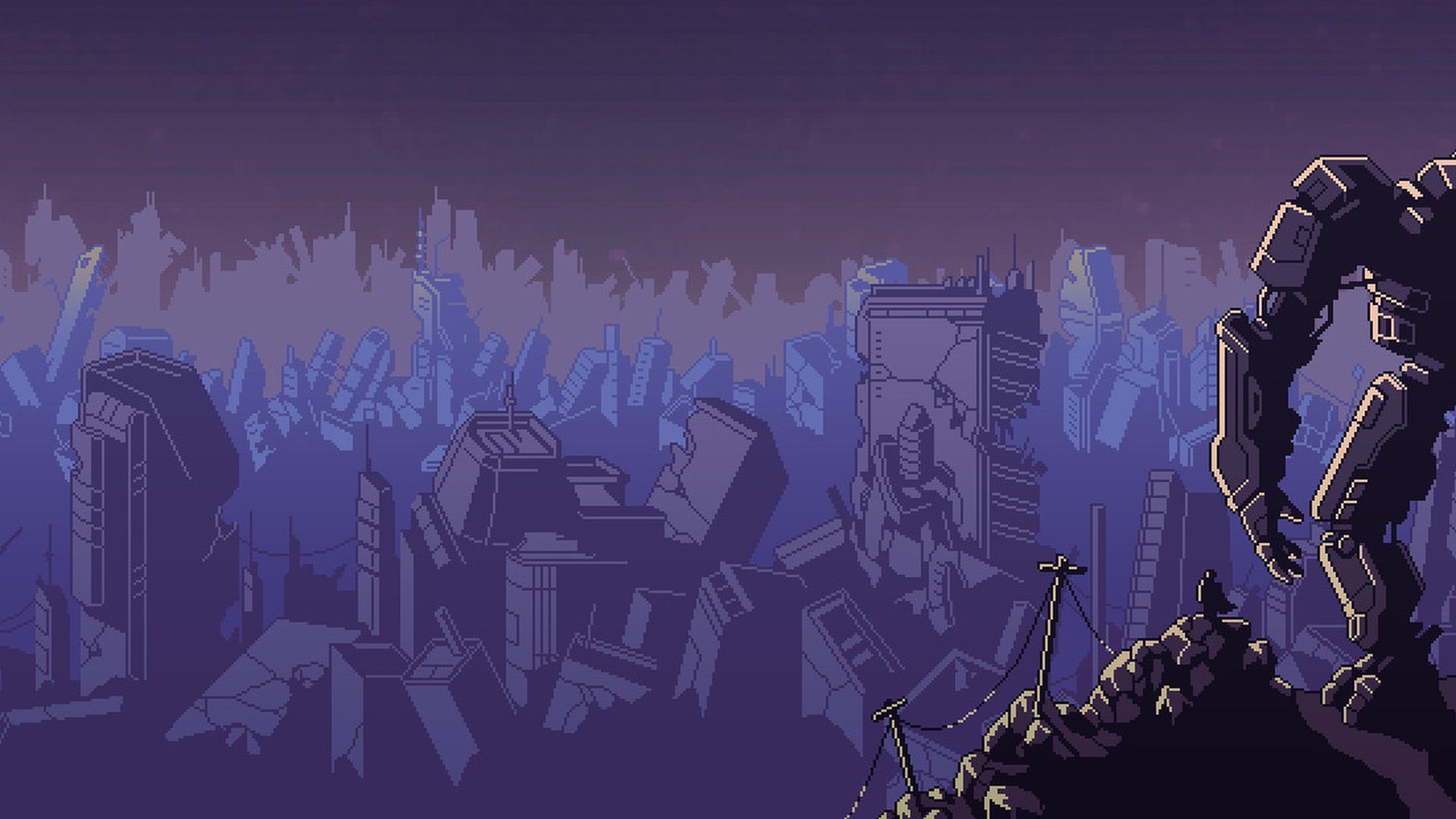
Into the Breach strips tactical combat down to its purest form. Every enemy telegraphs their next attack, every action has a visible consequence, and every mistake is entirely your fault. Subset Games designed a system where perfect information creates harder decisions, not easier ones. You know exactly what will happen next turn. The question is whether you can find a move that saves all three buildings, protects your mech, and kills the bug threatening your power grid. Usually, you cannot. Choosing which thing to sacrifice is where the strategy lives.
The grid is small. Eight squares by eight squares. Three mechs versus a swarm of Vek that grow more numerous and aggressive with each mission. Pushing, pulling, blocking, and repositioning enemies matters more than raw damage. The Advanced Edition update added new squads, missions, and pilots, significantly expanding replay value without adding complexity. The pixel art is functional and precise, with each unit type immediately identifiable at a glance.
Runs last about an hour, and the time loop narrative means failure feeds directly into your next attempt. Experienced pilots carry forward between timelines, creating a sense of progression across losses. Among pixel art games in the strategy genre, nothing else offers this level of elegant design per square inch of screen space.
Genre: Turn-Based Strategy, Roguelike | Monetization: Premium ($14.99) | Play it: Into the Breach on Steam
If you like: FTL, XCOM, and Slay the Spire, then Into the Breach is probably for you.
https://www.youtube.com/watch?v=gXe4NTCmnYA
FTL: Faster Than Light

FTL is the game that proved roguelikes could tell stories. You command a small ship carrying vital intelligence, jumping from star system to star system while a rebel fleet closes in behind you. Each jump presents a text-based encounter with multiple choices, and each choice carries consequences that ripple through the rest of your run. Crew members die permanently. Systems catch fire and stay broken until you repair them. Oxygen leaks into space while you decide which room to depressurize.
The combat system runs in real-time with a pause function, and mastering that pause button separates beginners from veterans. Targeting enemy weapons before shields, venting specific rooms to suffocate boarders, timing your cloak to dodge missile salvos. These micro-decisions accumulate into a macro-narrative that feels different every single time. After hundreds of runs, I still encounter events I have never seen before.
The pixel art is modest by modern standards, but the ship cross-section view is iconic. Watching your crew scramble between rooms during a hull breach, flames spreading through the engine bay, is surprisingly dramatic for a game built on small sprites and simple animations. FTL launched the modern roguelike wave, and over a decade later it remains one of the most compelling pixel art games on the platform.
Genre: Roguelike, Real-Time Strategy | Monetization: Premium ($9.99) | Play it: FTL on Steam
If you like: Into the Breach, Slay the Spire, and Crying Suns, then FTL is probably for you.
https://www.youtube.com/watch?v=BCU_f8xYrJw
Wargroove
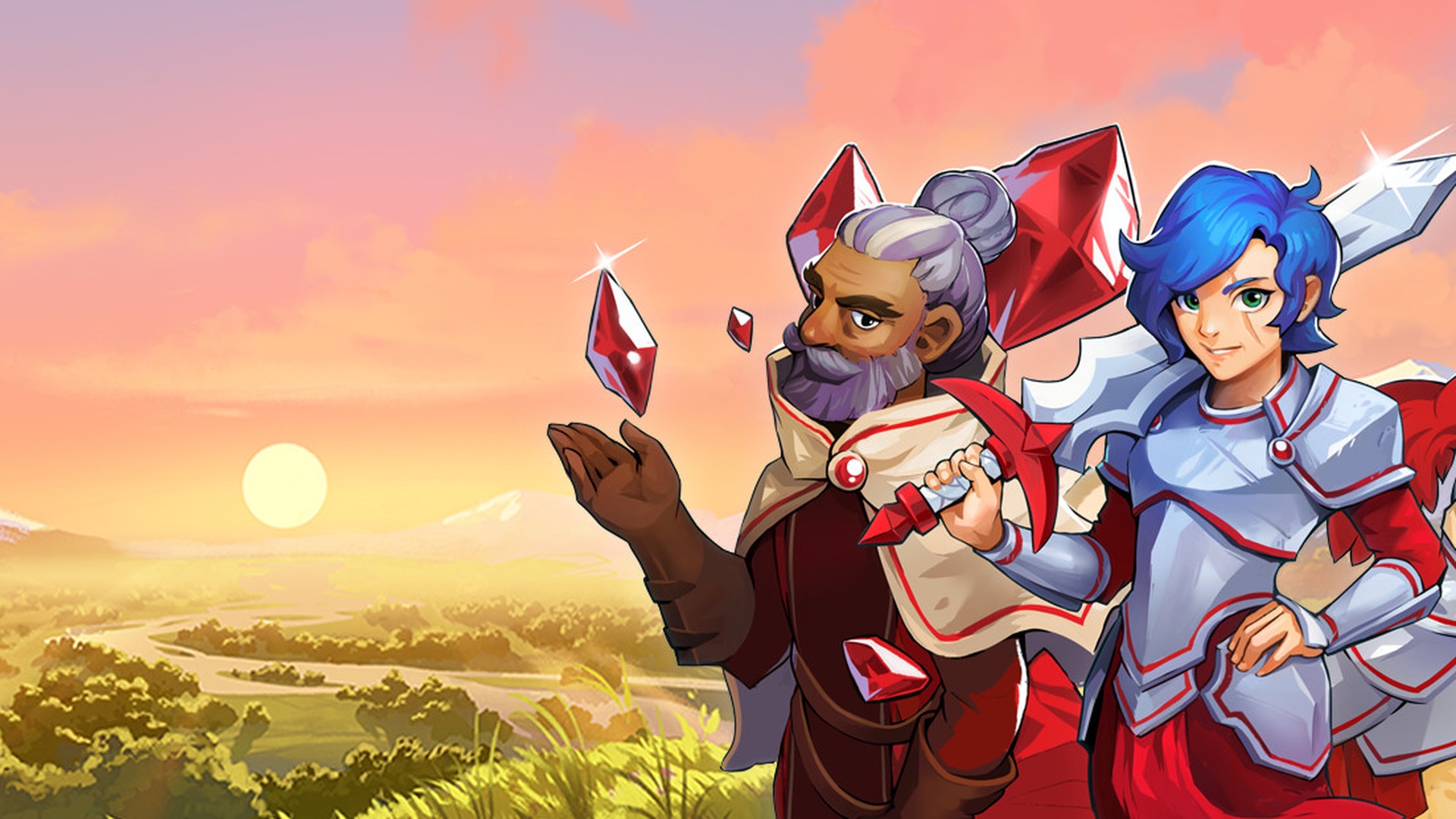
Wargroove exists because Nintendo stopped making Advance Wars, and Chucklefish decided somebody had to fill that gap. The result is a turn-based tactics game with bright pixel art, memorable commanders, and a campaign that delivers exactly what fans of the genre have been missing. Units move on a grid, terrain provides defensive bonuses, and commander abilities swing battles at critical moments. If you grew up playing Advance Wars on the GBA, this feels like coming home.
The commander system adds personality to battles. Each leader has a unique Groove ability that charges through combat. Mercia heals nearby units, Valder summons undead reinforcements, and Ragna pulls enemies toward her with a magnetic charge. Choosing your commander changes how you approach each map, which adds replay value to a campaign that already offers dozens of missions.
The level editor and multiplayer modes extend Wargroove well beyond the single-player campaign. Community-created maps add hundreds of hours of content, and competitive multiplayer runs surprisingly deep. The pixel art is colorful and expressive, with battle animations that carry more personality than most AAA cutscenes. Wargroove does not reinvent turn-based strategy, but it executes the fundamentals so well that it earns its place among essential pixel art games.
Genre: Turn-Based Tactics | Monetization: Premium ($19.99) | Play it: Wargroove on Steam
If you like: Advance Wars, Fire Emblem, and Into the Breach, then Wargroove is probably for you.
https://www.youtube.com/watch?v=EoYsMaq_m9g
Kingdom Two Crowns
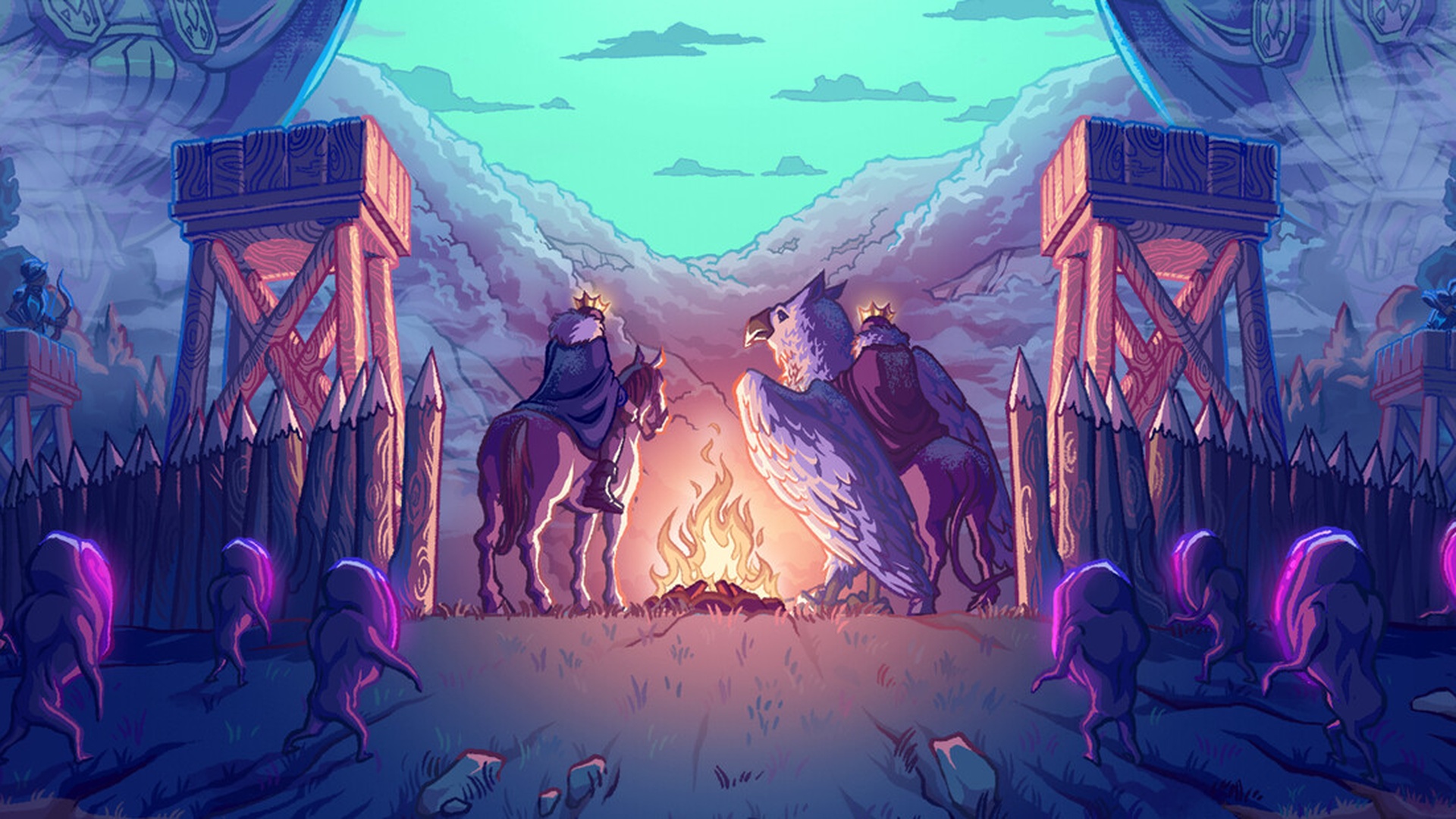
Kingdom Two Crowns strips strategy down to two buttons and a horse. You ride left or right, dropping coins to recruit subjects, build walls, and expand your kingdom against nightly waves of Greed creatures. There are no menus, no tech trees, no stat screens. Everything is communicated through the world itself. Subjects pick up tools based on where you drop coins. Walls upgrade visually as you invest in them. The simplicity is deceptive, because underneath lies a system that demands careful resource management and defensive planning.
The visual presentation carries the experience. The pixel art uses a muted palette with dynamic lighting that shifts beautifully between dawn, day, dusk, and night. Fog rolls across forests, rain ripples across puddles, and the Greed emerge from portals with a menacing glow. It is one of the most atmospheric pixel art games available, and the co-op mode lets you share that atmosphere with a friend. One player manages the eastern frontier while the other defends the west.
Multiple themed campaigns add variety. The Norse Lands DLC introduces Norse mythology, new mounts, and a berserker unit type. Dead Lands brings gothic horror elements. Each campaign remixes the core loop with new mechanics while preserving what makes the base game compelling. Kingdom Two Crowns rewards patience and punishes greed, which is fitting for a game about building something worth protecting.
Genre: Strategy, Side-Scrolling Sim | Monetization: Premium ($19.99, optional DLC) | Play it: Kingdom Two Crowns on Steam
If you like: Terraria, Northgard, and Don’t Starve, then Kingdom Two Crowns is probably for you.
https://www.youtube.com/watch?v=AOJm3MWvm0E
Best Pixel Art Puzzle and Story Games
Not every great pixel art game demands fast reflexes. These puzzle and narrative titles reward curiosity, lateral thinking, and the willingness to sit with a problem until the solution clicks. Some of the most memorable moments in gaming live in this category.
Animal Well

Animal Well is a puzzle game disguised as a Metroidvania, or maybe the other way around. Developer Billy Basso built this game solo over seven years, and it shows in the density of its design. Every room contains something. Some of those things are obvious. Many of them are not. The game trusts you to poke, prod, and experiment without ever spelling out what to do. You collect items that seem straightforward at first but reveal deeper uses as you start thinking laterally about the world.
The visual style is unlike anything else on this list. Pixelated sprites sit inside environments that use dynamic lighting, volumetric fog, and real-time reflections in ways that feel genuinely new. The result is a world that looks handcrafted and alive. Animals roam with distinct behaviors. Some help you, some threaten you, and some do both depending on context. The atmosphere shifts between serene and deeply unsettling without warning.
What makes Animal Well exceptional is the layer cake structure. Finishing the game once reveals a second layer of puzzles hidden throughout every screen. Finishing that layer reveals a third. Community members spent weeks collectively solving puzzles that nobody could crack alone. The 95% positive Steam rating reflects a game that rewards attention and rewards it again. Among recent pixel art games, Animal Well stands alone in its ambition and execution.
Genre: Puzzle-Platformer, Metroidvania | Monetization: Premium ($24.99) | Play it: Animal Well on Steam
If you like: Fez, Outer Wilds, and Rain World, then Animal Well is probably for you.
https://www.youtube.com/watch?v=VFIHyIPcAk8
FEZ

FEZ was released in 2012, and nothing has replicated what it does. You control Gomez, a 2D character living in a 2D world who discovers his reality has a third dimension. Pressing a button rotates the entire world by 90 degrees, transforming platforms, paths, and obstacles in ways that rewrite how you think about space. A gap that seems uncrossable from one angle becomes a simple step from another. The concept is simple to grasp and endlessly clever in practice.
The puzzle design splits into two layers. The surface puzzles involve navigating environments and collecting cubes using the rotation mechanic. These are satisfying but approachable. The deeper puzzles involve hidden languages, encoded messages, QR codes, real-world coordinates, and cryptographic systems that took the community months to fully decode. FEZ hides some of the most elaborate secrets in gaming history inside its cheerful pixel exterior.
The pixel art is clean, warm, and inviting. Environments range from sun-drenched villages to rainy cityscapes to glitchy digital voids, and each zone has a distinct visual identity. The soundtrack by Disasterpeace is widely considered one of the best in the medium. FEZ occupies a unique position among pixel art games. It is simultaneously a relaxing collect-a-thon and an obsessive puzzle box, depending entirely on how deep you choose to dig.
Genre: Puzzle-Platformer | Monetization: Premium ($9.99) | Play it: FEZ on Steam
If you like: Animal Well, Tunic, and Outer Wilds, then FEZ is probably for you.
Baba Is You
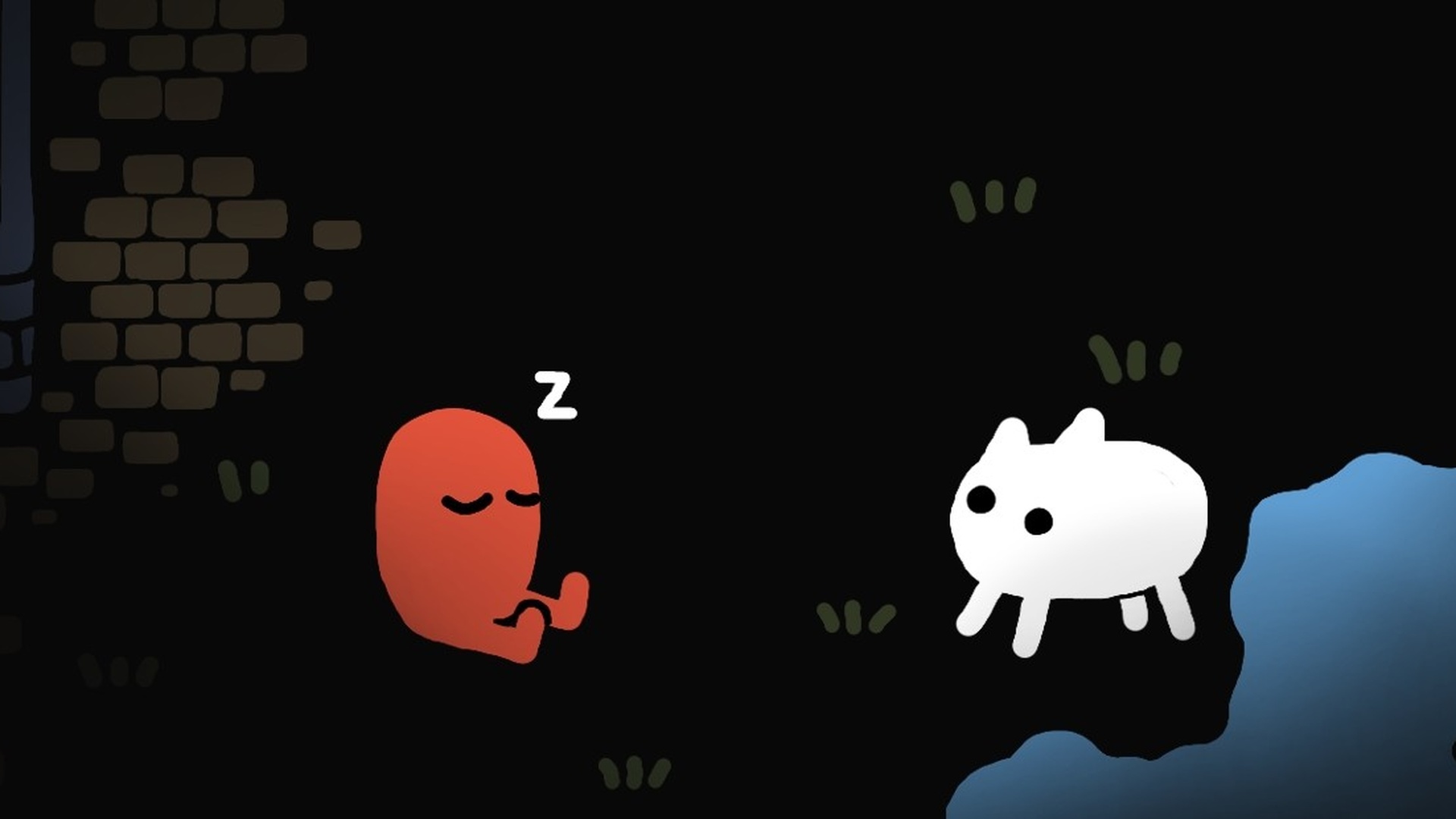
Baba Is You reinvents puzzle game logic by making the rules themselves into pushable objects. Each level displays its rules as word blocks on screen. “BABA IS YOU” means you control Baba. “WALL IS STOP” means walls block movement. Push those words around, and you rewrite reality. Break “WALL IS STOP” apart, and walls become passable. Rearrange words to create “FLAG IS YOU,” and suddenly you are the flag. The implications of this system are staggering, and Hempuli explores them across over 200 increasingly mind-bending levels.
The difficulty curve is steep. Early levels teach basic manipulation, but by the midgame you are simultaneously tracking three or four rule chains, considering what happens when rules contradict each other, and trying solutions that feel wrong until they click. The satisfaction of solving a level that stumped you for thirty minutes is enormous. The game never punishes experimentation. Undo is instant, resets are free, and there is no timer pressuring you.
The pixel art is deliberately minimalist. Characters are drawn as simple shapes. Backgrounds are flat colors. This visual restraint ensures that every element on screen is either a game object or a rule word, which keeps the puzzle space clean. The charm comes from the animations. Baba wobbles when walking. Rocks jiggle when pushed. These small touches add personality without cluttering the design. Among puzzle-focused pixel art games, Baba Is You has no real competition.
Genre: Puzzle | Monetization: Premium ($14.99) | Play it: Baba Is You on Steam
If you like: The Witness, Stephen’s Sausage Roll, and Portal, then Baba Is You is probably for you.
OneShot

OneShot is a game that knows it is a game, and it uses that knowledge to build a relationship with you. Not with your character. With you, the person sitting at the computer. You guide Niko, a cat-like child carrying a lightbulb through a dying world, but the game addresses you directly through dialogue boxes, file system manipulation, and desktop notifications. Closing the game feels like abandoning Niko. The title is not a metaphor. Or maybe it is. The game keeps you guessing about its own rules.
The puzzles span both the in-game world and your actual computer. Solutions require checking your desktop, reading text files the game places in your documents folder, and making choices that the game remembers permanently. This fourth-wall approach could easily feel gimmicky, but OneShot earns its meta-narrative through genuine emotional storytelling. Niko is written with enough warmth and vulnerability that the stakes feel real despite the abstraction.
The pixel art is simple and effective. Environments use limited palettes that reflect the dying world’s state, with warm zones around light sources and cold darkness everywhere else. The character sprites are small but expressive. OneShot does not need visual spectacle because its impact comes from the connection it builds between you and a child made of pixels who trusts you completely. Few pixel art games have achieved this level of emotional resonance.
Genre: Puzzle, Narrative Adventure | Monetization: Premium ($9.99) | Play it: OneShot on Steam
If you like: Undertale, Omori, and Celeste, then OneShot is probably for you.
https://www.youtube.com/watch?v=xh0kDlHFOJc
Best Pixel Art Games: MMOs and Multiplayer
Pixel art and persistent online worlds are a natural pairing. These MMOs and multiplayer titles prove that thousands of players can share a world built from sprites, and the results are some of the most addictive pixel art games on Steam.
Albion Online
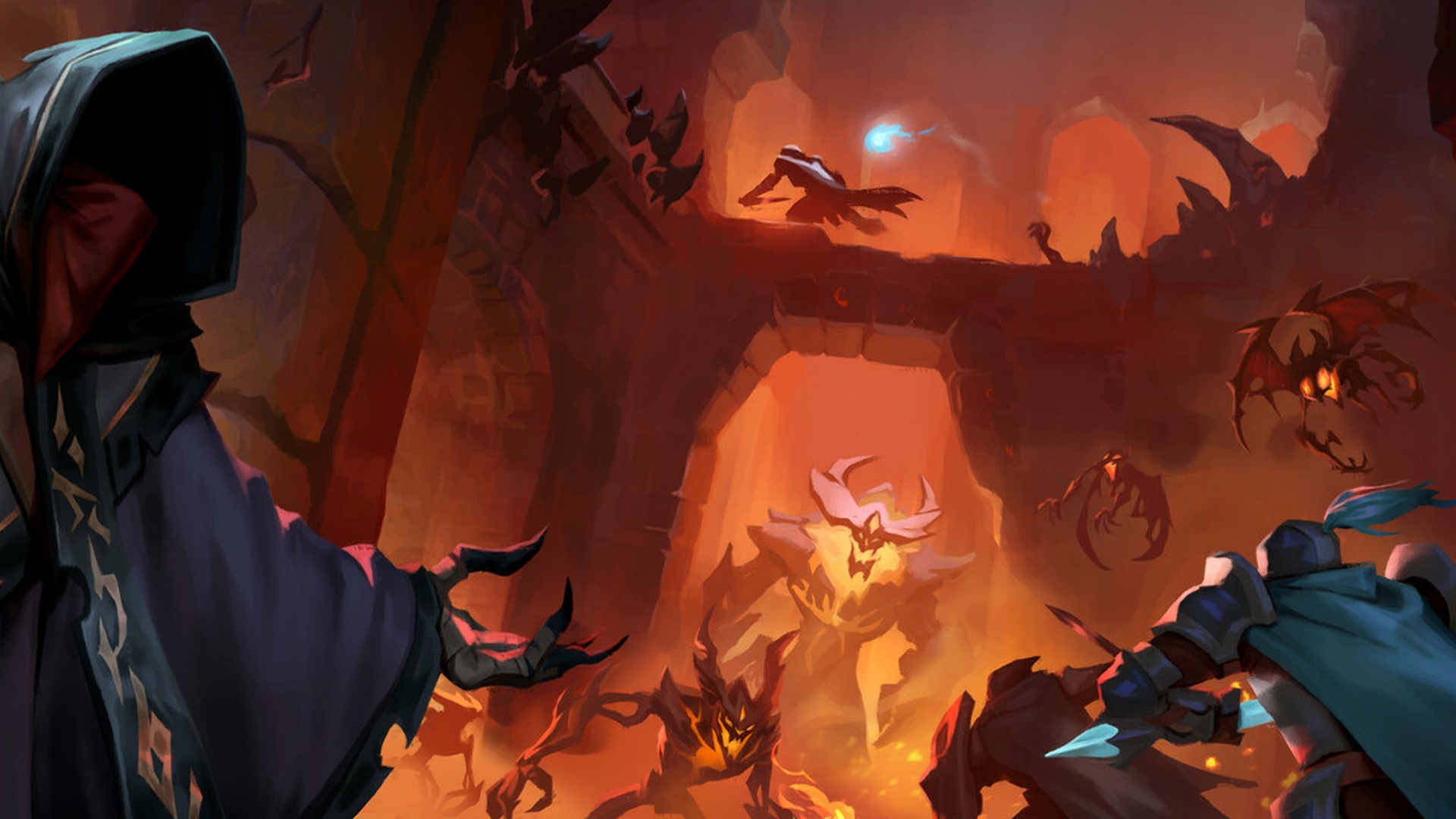
Albion Online is a sandbox MMORPG driven almost entirely by its player economy. Every weapon, piece of armor, and consumable in the game is crafted by players from resources gathered by players and sold through a player-run marketplace. The economy is real and ruthless. Supply chains matter. Market manipulation happens. Territory control wars between guilds determine who controls the best resource nodes, and those wars involve hundreds of players coordinating in real-time.
The classless progression system lets you switch roles by changing your equipment. Wear plate armor and grab a broadsword, and you are a tank. Swap to a healing staff and cloth robes, and you are a support. This flexibility means every character can adapt to any situation, which keeps group composition dynamic. The full-loot PvP zones add genuine stakes to exploration. Venturing into red and black zones means risking everything you carry, but the rewards scale accordingly.
The isometric pixel art is clean and readable, which matters enormously in large-scale PvP where visual clarity can mean the difference between victory and a naked corpse run. Sandbox Interactive has supported Albion Online with consistent content updates since its 2017 launch, and the player base remains healthy. For anyone looking for a pixel art game with real economic and social depth, Albion delivers something no single-player experience can match.
Genre: Sandbox MMORPG | Monetization: Free-to-play with optional premium subscription | Play it: Albion Online on Steam
If you like: EVE Online, RuneScape, and Ultima Online, then Albion Online is probably for you.
https://www.youtube.com/watch?v=GCTEzsCQVjg
Soulbound: Online

Soulbound: Online is building something ambitious. A browser-first MMORPG with deep pixel art visuals, real-time combat, and millions of possible gear combinations. The game runs entirely in your web browser, which means zero installation barriers. Click a link and you are in the world, fighting monsters alongside other players within seconds. That accessibility is a genuine selling point in a genre known for multi-gigabyte clients and lengthy setup processes.
The combat system blends action and RPG elements. You fight in real-time, dodging attacks and managing abilities while building toward class-specific combos. The gear system is where Soulbound distinguishes itself from competitors. Equipment rolls with randomized stats and modifiers, creating a loot chase that keeps dungeon runs rewarding long after you have learned the boss patterns. Crafting ties into the economy, and the progression curve gives both casual and hardcore players something to pursue.
The pixel art pushes the browser medium further than most people expect. Dynamic lighting, detailed sprite animations, and diverse biomes create a world that feels substantial rather than compromised by its platform. Spiderware is building Soulbound with a clear focus on community and long-term engagement, and the early response from players has been strong. If you have been waiting for a pixel art MMO that respects your time and runs anywhere, this one is worth watching closely.
Genre: MMORPG, Action RPG | Monetization: Free-to-play | Play it: Soulbound: Online on Steam
If you like: Albion Online, Realm of the Mad God, and CrossCode, then Soulbound: Online is probably for you.
Realm of the Mad God Exalt
Realm of the Mad God is controlled chaos. Dozens of players swarm across a pixelated overworld, dodging bullet patterns, fighting world bosses, and dying permanently. Permadeath is the defining feature. When your character dies, they are gone. Equipment, stats, progression. All of it. Starting over with a fresh level one character after losing a maxed build is devastating, and that devastation is exactly what makes every moment of gameplay feel charged with tension.
The combat sits somewhere between a bullet hell shooter and a traditional MMO. You dodge projectile patterns while positioning yourself to deal damage, managing your health potions, and coordinating with the pack of players around you. Boss fights escalate into screen-filling bullet storms that demand constant movement. The pixel art is deliberately retro, with small sprites and simple environments that prioritize gameplay clarity over visual spectacle. You need to see every bullet, and the art style ensures you can.
DECA Games has maintained and updated Realm of the Mad God since acquiring it, adding new dungeons, classes, and seasonal events. The game has a loyal community that has kept it alive for over a decade. The free-to-play model includes cosmetic purchases and convenience items, but the core gameplay loop remains accessible without spending money. For players who want a pixel art game where death means something and every loot drop feels earned, Realm of the Mad God is unmatched.
Genre: Bullet Hell MMO, Roguelike | Monetization: Free-to-play with cosmetic MTX | Play it: Realm of the Mad God on Steam
If you like: Enter the Gungeon, Nuclear Throne, and Albion Online, then Realm of the Mad God is probably for you.
https://www.youtube.com/watch?v=9KAf0RKNQWU
These 51 pixel art games represent the best the genre has to offer across every playstyle and preference. Whether you want a cozy farming sim to wind down with or a full-loot PvP sandbox to test your skills, the Steam library has something built from sprites and ambition that will hold your attention for hundreds of hours. If you want to add a browser-based MMORPG to your rotation, wishlist Soulbound: Online on Steam and join the community shaping what comes next.