

Composers are a crucial part of any MMO development team. Music immerses players in a virtual world and serves as an emotional anchor that bridges the gap between different elements of the game.
Soulbound: Online has had hundreds of pieces of music designed specifically for its many dungeons, towns, NPCs, and quests, with 90+ embedded in the current game. But this music doesn’t just spawn into being; it has to be planned, trialled, and woven together into a tapestry of interconnected soundtracks to create a cohesive and iconic ambience throughout the game.
Keep reading for a sneak peek at the soundtrack for the unreleased Lunar dungeon!
From Concept to Creation
1. The Task Begins
Every track in Soulbound starts the same way, with something in need of sound. Whether it’s an NPC’s garden, an epic boss fight or a town’s nighttime atmosphere, our composer will be tasked with bringing it to life.
2. Research, Brainstorm, Then Research Some More
From there, our composer brainstorms new ways to approach the task. Every element must feel unmistakably anchored in Soulbound, both connected to the world around it and completely unique.
3. Write The Music
The core of the composer’s role is, of course, writing the music. It can take hours to create a single track, depending on its size and complexity. For example the Spectre boss music with its 6200 notes and 90 instruments took a few days to land on a version we wanted to put in game.
4. Demo Time
Once the music is written, it’s demo time. This is when other members of the team provide feedback, and everything is refined, and then refined again. The composer will typically prepare several demos in different styles, and sometimes different genres, to showcase a range of possible approaches to the production. There are quite a few secret demos out there that never made it into the game. Maybe we should show you someday.
5. Production
Put it all together! The composer now has the concept, the music, and the approval of the team; it’s time to bring it all together. This is where the piece is fully developed, arranged, produced, mixed, and polished into a complete final track that feels ready for the game. This is also the point where some of the music is looped. Seamless looping is a key part of game composition, and it’s important to think about how the music will loop while you’re writing it.
Experience composing in action within this compilation of areas within Soulbound: Online.
Showcasing the importance of sound in worldbuilding.
The Three Pillars of Composing for Soulbound
When creating the sounds behind an MMO world, there are three main veins that need a composer’s attention. Zones, quests, and combat. These three areas are the core part of any game, and each requires a slightly different approach.
Zones: The Heart Behind the Location
Everywhere you go in Soulbound, there is music. Whether you’re exploring Virelda, fishing in Neo-Tilus, or wandering the many passages, caves and ruins, you will always hear our composers’ hard work.
Zones establish the identity of the MMO’s world. They give each region, city, culture or environment its own atmosphere and emotional colour. It helps players immediately understand what type of area they are in. A peaceful town feels safe, a strange ruin feels mysterious, and a creepy cave feels dangerous. As a player moves between these areas, the shifts in music make the world feel alive, varied and intriguing.
At its core, the role of a composer’s zone music in an MMO is worldbuilding. The more carefully crafted music there is across the game, the bigger, richer, and more developed the world feels. Every theme, texture, and atmosphere helps create memorable player experiences and increases immersion.
Within Soulbound: Online, one of our composers’ favourite zone soundtracks is “Welcome to Arcadia” because of its neon and bustling atmosphere for the Arcadia city.
Quests: Creating Story Through Music
Quest music in MMO’s both supports the zone and is tied to the characters and story beats being presented to the player. A quest’s soundtrack can’t feel out of place; if an NPC in the desert gives out a quest, it must still have an element of the desert in the music, or it quickly feels disconnected from the rest of the world.
Throughout Soulbound, key NPC’s have their own musical themes that help define who they are and why they are important. For example, Sakamoto has their own theme, which can be heard in related zones such as his lair and cliff, as well as in quests like “Meeting Sakamoto”. These themes and motifs are woven into a quest’s soundtrack, evoking emotion and creating clear intent without needing a single line of dialogue.
Combat: From Calm to Chaos
Combat is where music shifts from atmospheric to action. Increased tempo and a heightened sense of urgency push players into a battle-ready mindset! Each dungeon has its own soundtrack, created to complement the zones music while bringing its own unique energy. This can be a delicate balance; players must feel the intensity of the music, but it can’t distract them from the task at hand… killing scores of enemies.
Check out this musical sample from the fearsome Everdune dungeon!
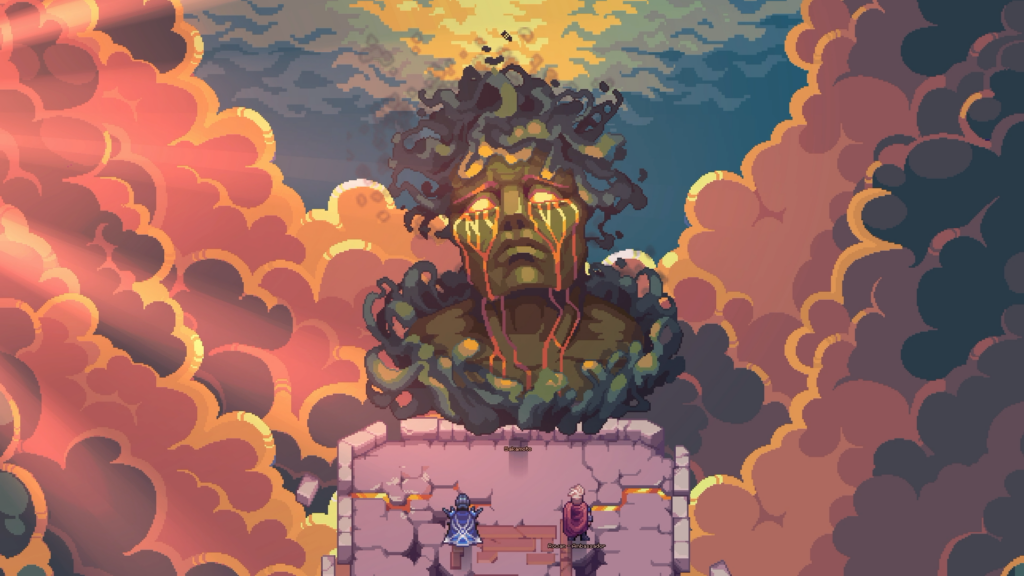
Boss battles are their own challenge. The composer must pull together the zone and combat music, as well as the quest theme. Key enemies all have an identifiable sound that sets them apart from everything else and supports the story being told.
An MMO Composer’s Bigger Role – World Building
Anyway you look at it, a composer’s role in the development of an MMO is grounded in world-building. From guiding players’ emotional journeys to bringing locations to life and making the world feel wide, music plays a crucial role in shaping an MMO.
For example, here you can hear how zone music, exploration, and combat all link. The music flows together, even while the meaning and intent change.
A sneak peek at the unreleased Lunar dungeon soundtrack!
If you want to listen to all the sounds of Soulbound: Online, check out the free demo, live on Steam right now – Soulbound: Online on Steam